I should give up YouTube shorts, but the Caitlin Clark clips make it SO hard.
I should give up YouTube shorts, but the Caitlin Clark clips make it SO hard.
I’m sure it’s pure coincidence that I’ve become completely obsessed with the robin family awaiting babies in the tree outside my window in the summer before my daughter leaves for college
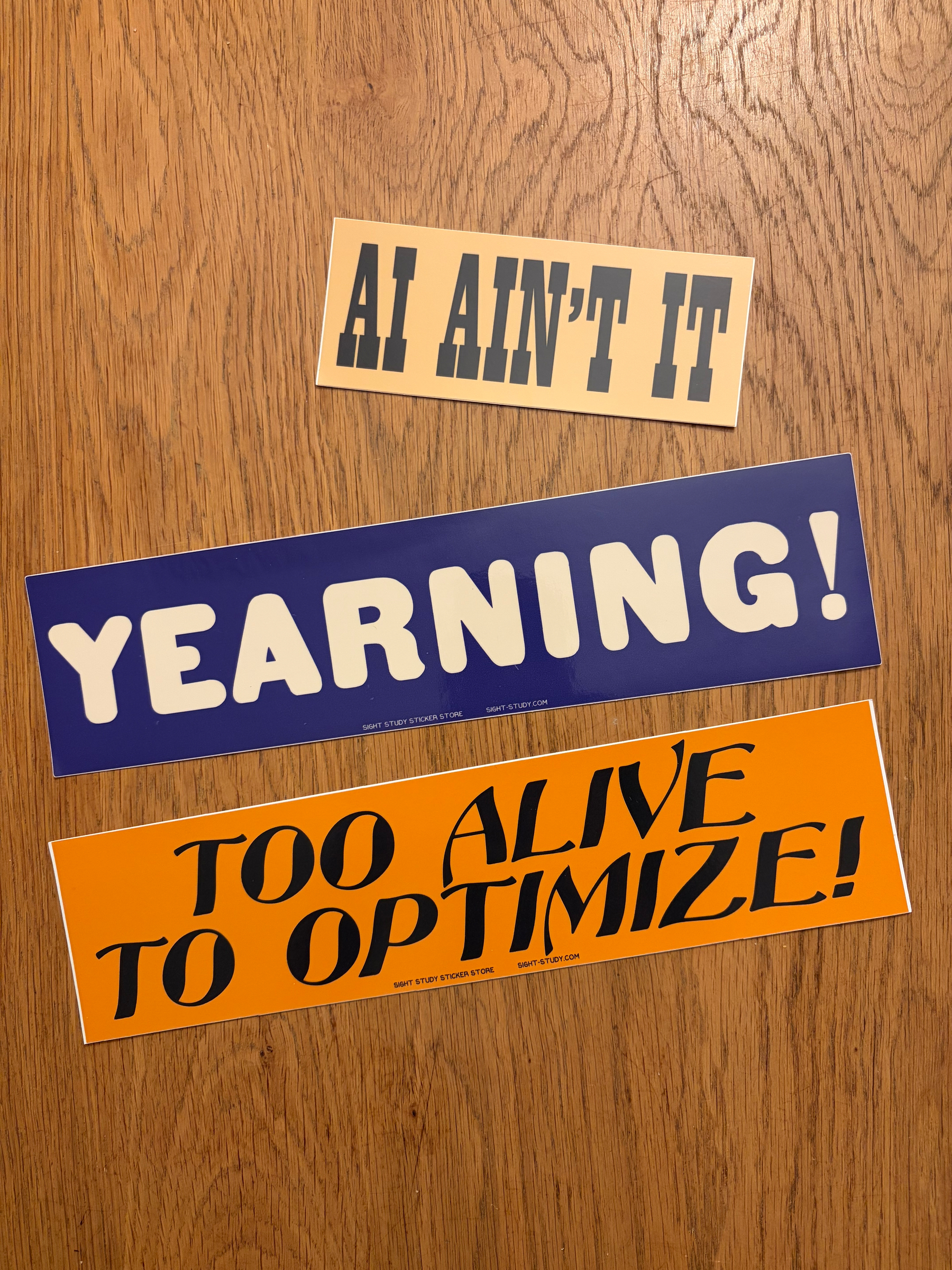
Got some new stickers for my office from Sight Study.
KYE discussion with Jack Hanson on Magnifica Humanitas is excellent.

Finished reading: Tell Me Everything by Elizabeth Strout 📚 More tales in the diaspora of Olive Kitteredge. Strout can generate so much from very little.
Every interview with Christian Wiman is chock full of poetry and aphorisms to think with, and this one is no different. Especially grateful for this, though: Simone Weil says, “There are two atheisms, of which one is a purification of the notion of God,” which can be helpful. Years ago I said that sometimes God calls a person to unbelief so that faith can take new forms. I think faith is always trying to take new forms.
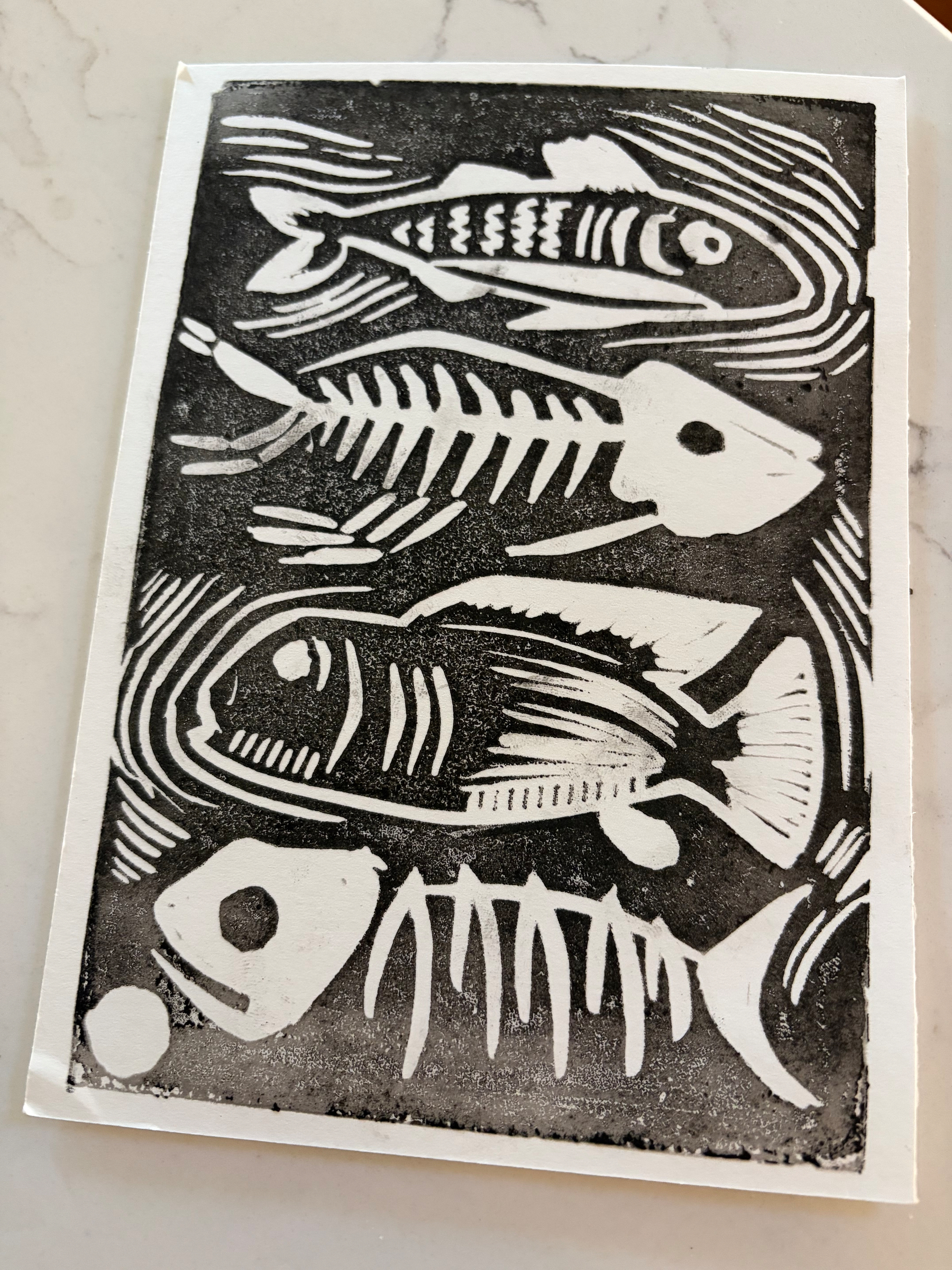
My daughter’s hand-printed thank you cards for her graduation gifts. ❤️
Thanks to Robert Coles for making me feel like less of an academic weirdo: “So what was he? Dr. Coles variously described himself as a doctor, child psychiatrist, wanderer, oral historian, social anthropologist, teacher, friend, storyteller, busybody, nuisance and ‘idiosyncratic oddball.'” RIP.
In other news, I have reached the precise age known as Speaks Aloud to Nesting Birds Outside House Window.
I wrote about our strange contemporary wilderness of public bioethics.
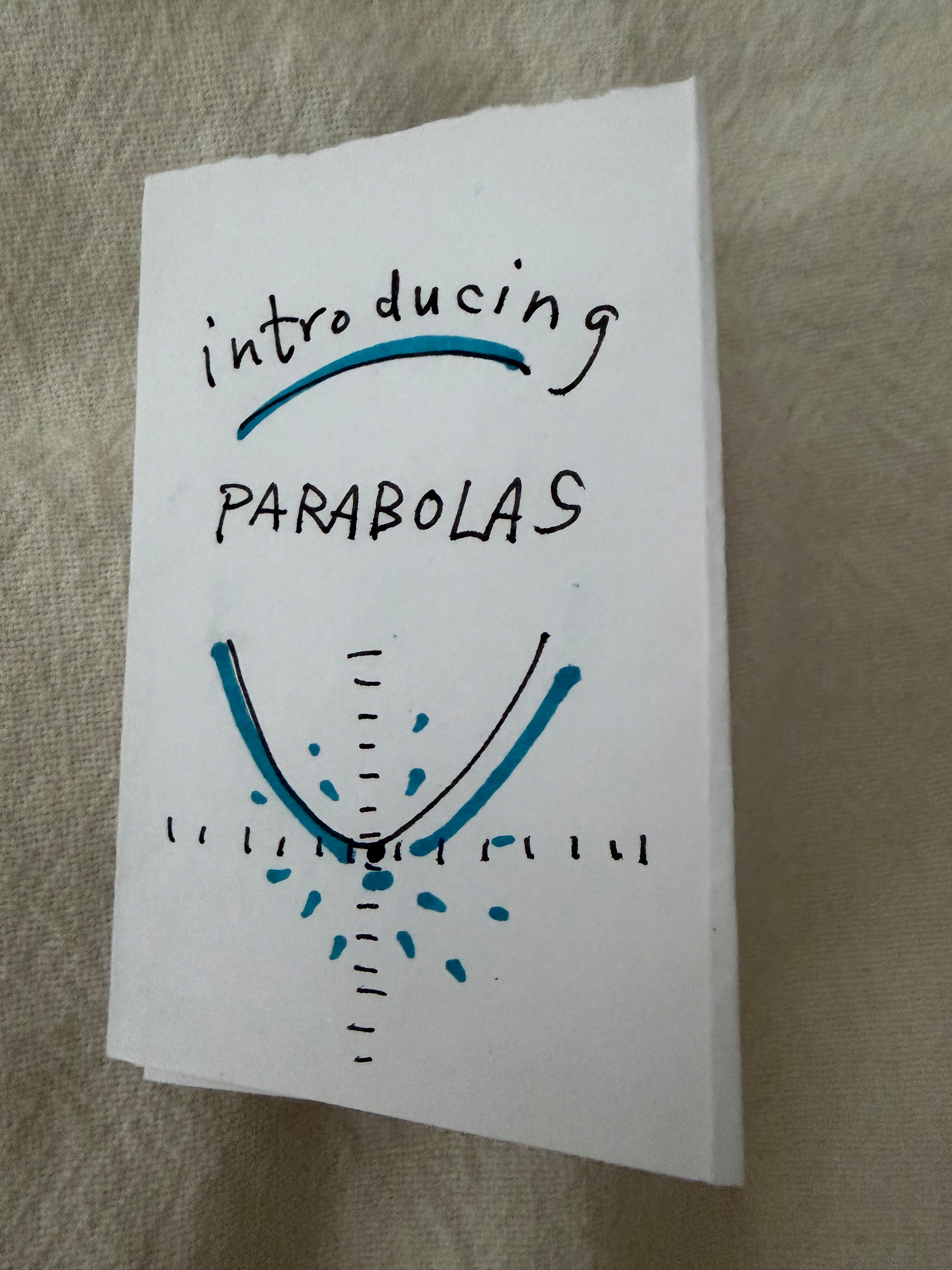
My RA is teaching me the conics and quadratic equations. (Long story, for a project, I know absolutely nothing beyond very basic math.) She suggested we each do a 15 min zine in a meeting to see where our respective heads are. So helpful.
Regular random reminder that, bang-for-buck wise, homemade salad dressing and homemade granola beat anything you can buy. For very little effort (except making sure you’ve got ingredients always around).
Pleased to see the BBC at least engage a theologian (the great Rowan Williams) in the public bioethics of assisted dying.
I loved this KYE episode on Talarico and his faith in politics. Names the range of feelings I have about his self-presentation of faith. And much more to think about too, as always with Sitman and Adler-Bell.
This q and a with Ben Sasse shows how crucial it is to have proper historians in politics. Worth a listen at 14:17 alone: the way he helps young AEI interns keep the political in its place inside a much bigger story. “So…one, one-and-a-half cheers for [enormously vital] government.”
Trying to send to long-term memory: My teenagers sometimes still greet me in the morning by silently presenting their foreheads to be kissed and their shoulders to be hugged. Thin and gangly big people, bleary-eyed and walking slowly, but retaining an echo of cuddling instinct from early childhood.
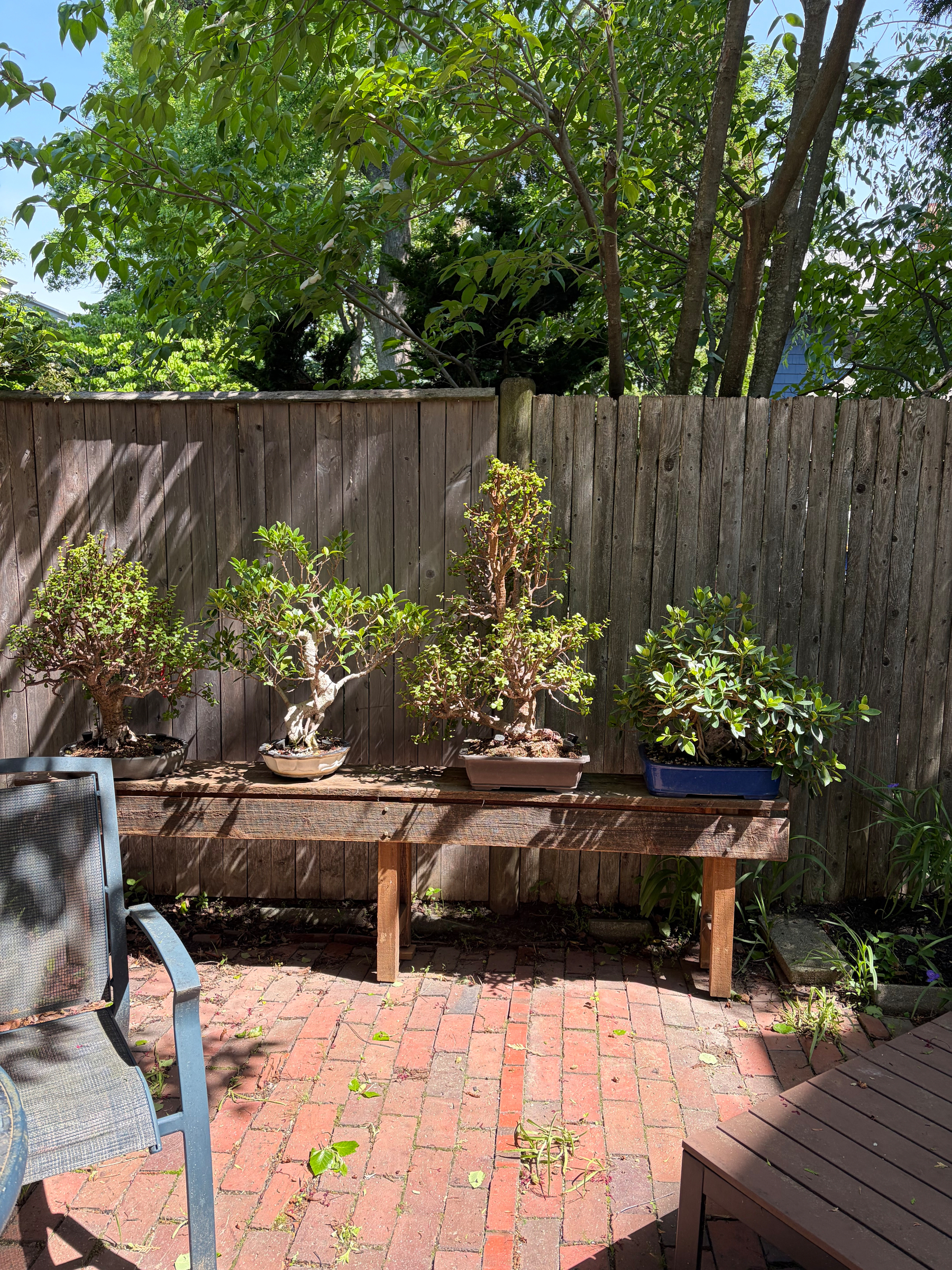
Our old place had no outdoor space; Brian is SO happy to have these bonsais outdoors again. And this is the site of our grad party for Freddie this coming weekend! Sizeable back patio. Can’t wait.
At two conferences this week, but being Great Aunt Sara for a couple days was the best job of all.
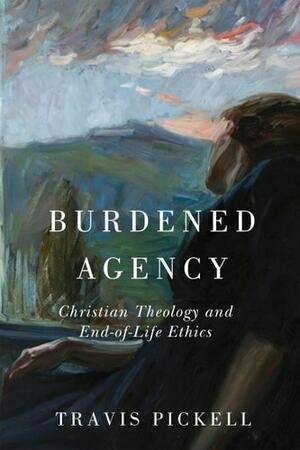
Finished reading: Burdened Agency: Christian Theology and End-of-Life Ethics by Travis Pickell 📚 What an achievement: a beautifully synthesized and articulated set of ideas for thinking through both death and life.