My son Malcolm (15) and I are on our fourth watch-through of Band of Brothers — a winter tradition. I think I’ve seen it twice more before that, so I’m officially versed in the 101st airborne. Other fans here?
My son Malcolm (15) and I are on our fourth watch-through of Band of Brothers — a winter tradition. I think I’ve seen it twice more before that, so I’m officially versed in the 101st airborne. Other fans here?
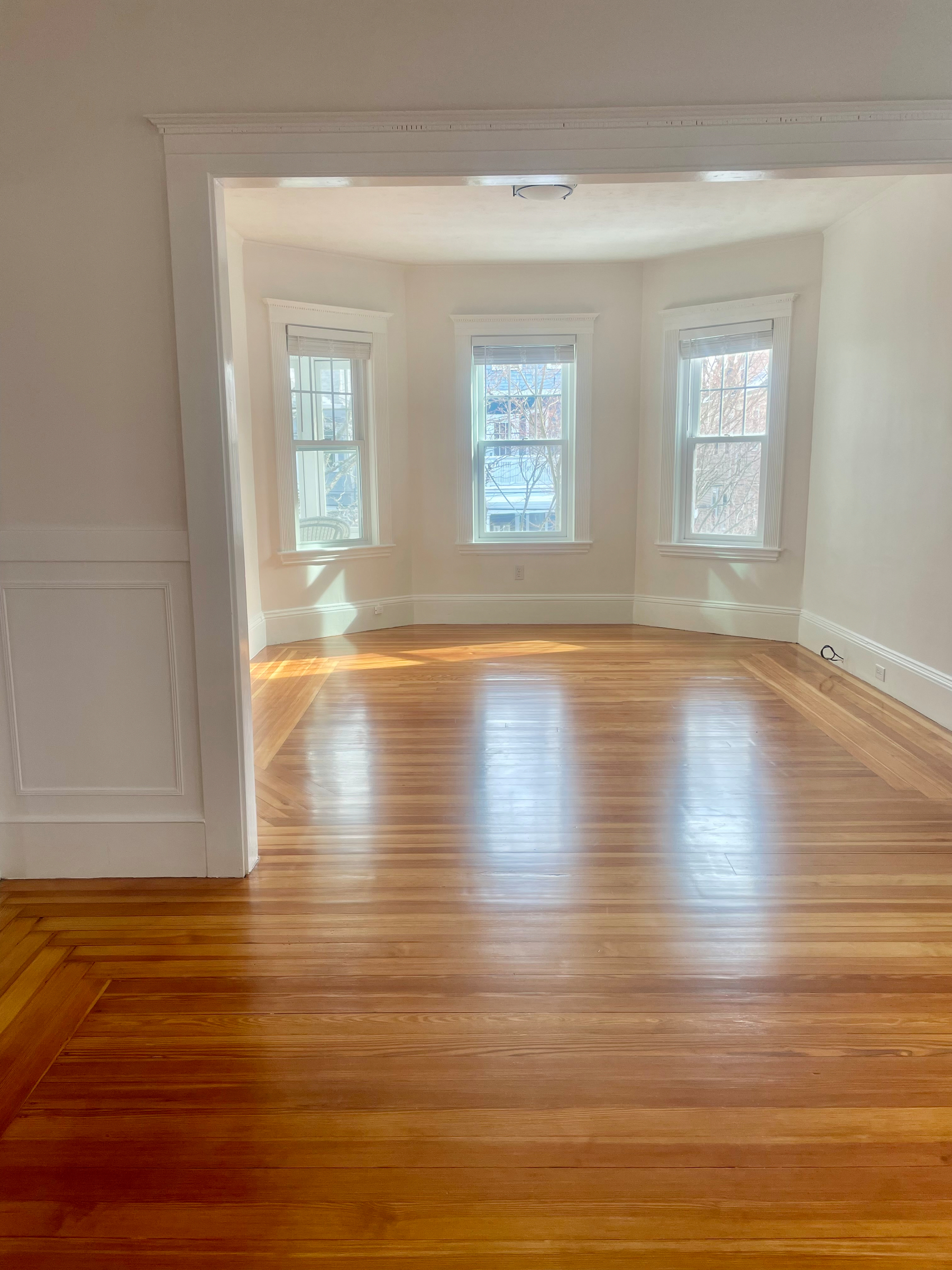
Hundreds of tasks to go and still more snow coming down, but we’re in to our new place! It’s very quiet here.
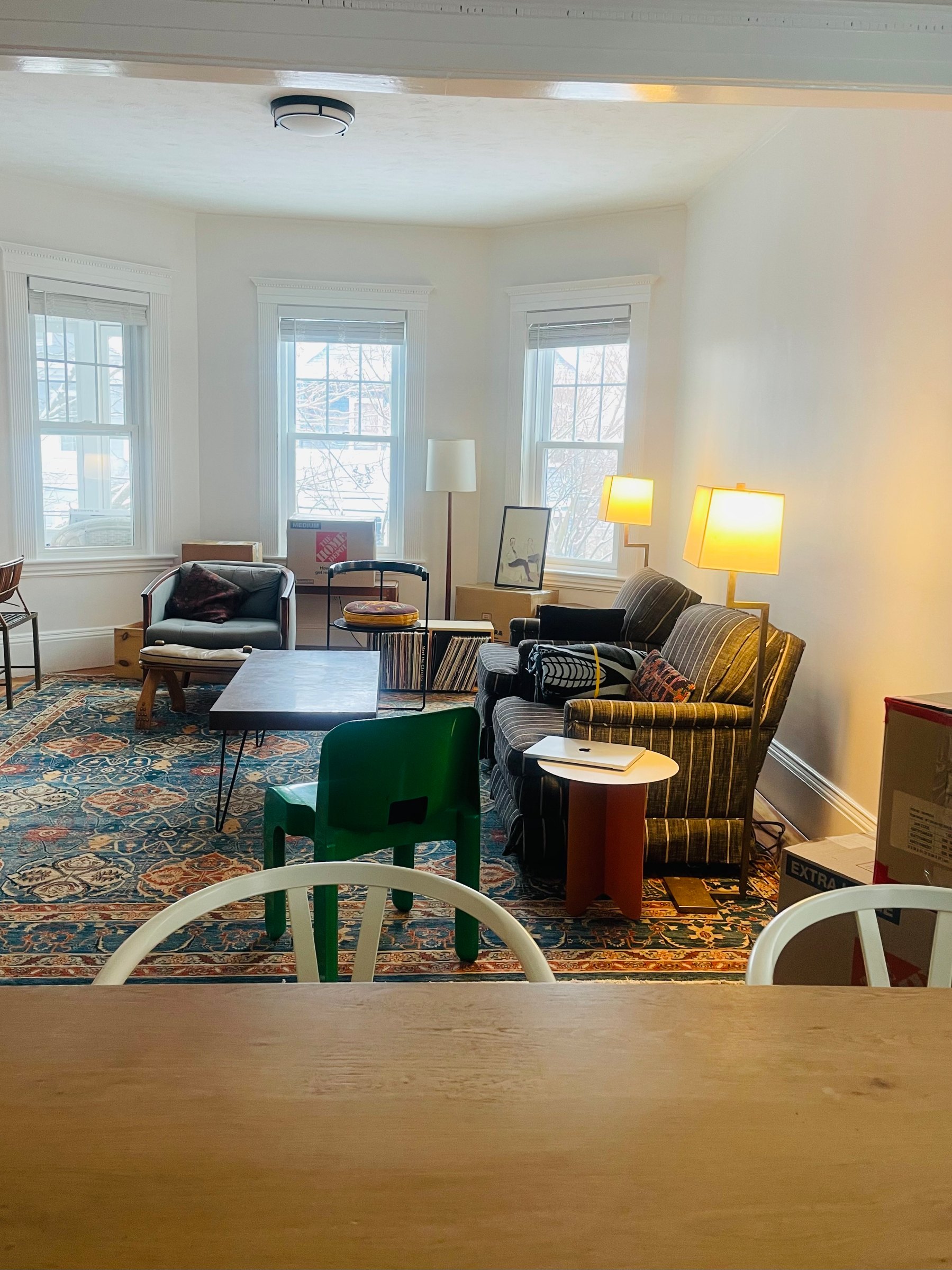
here we go
I have plenty of complaints about the UI of Substack, but there is a burgeoning network of professors there sharing principled and ingenious pedagogy for the age of LLMs.
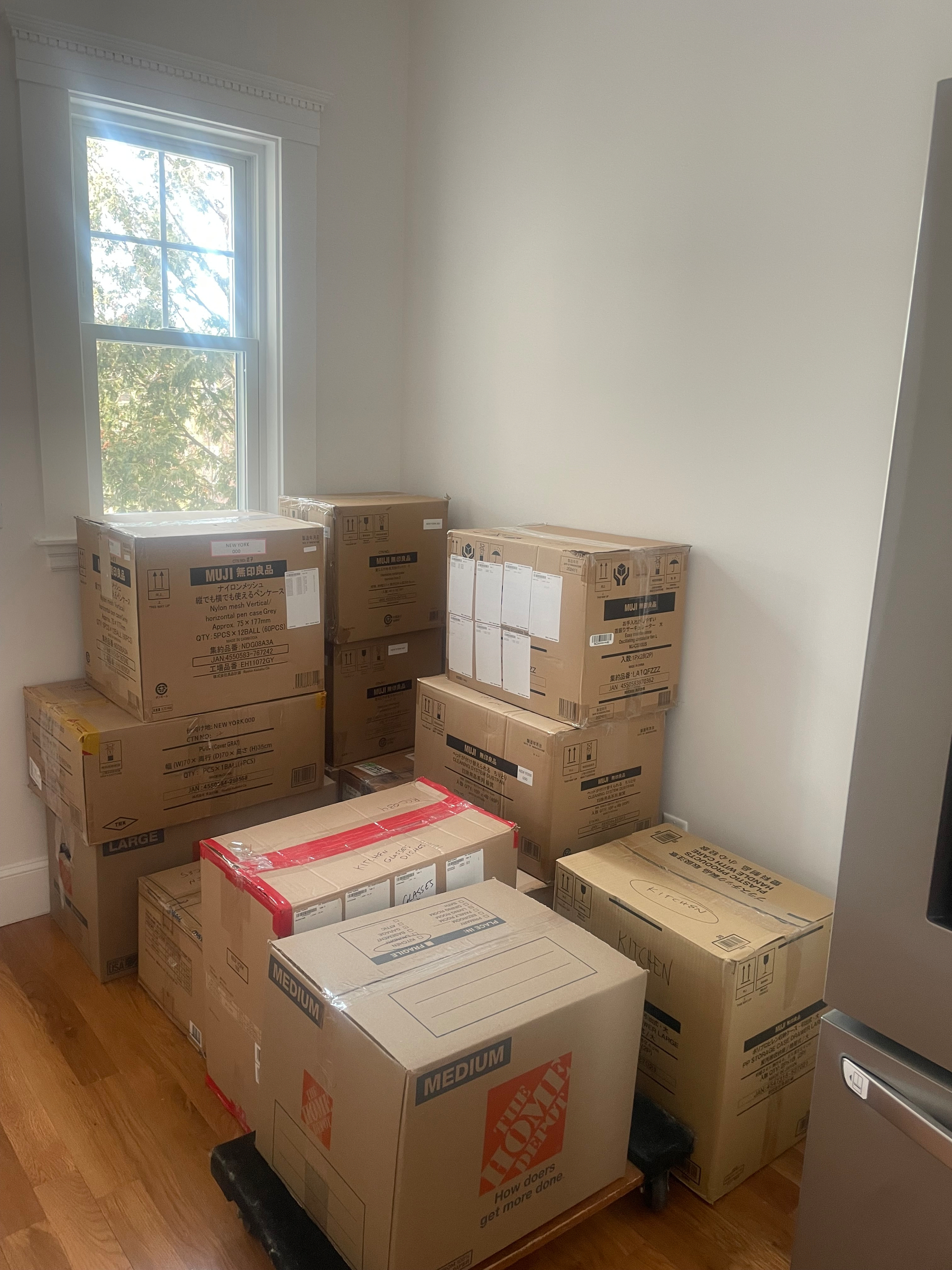
Current status: moving week, new apartment! We’re having to get snow removal just to fit the truck out front, but such is the process.
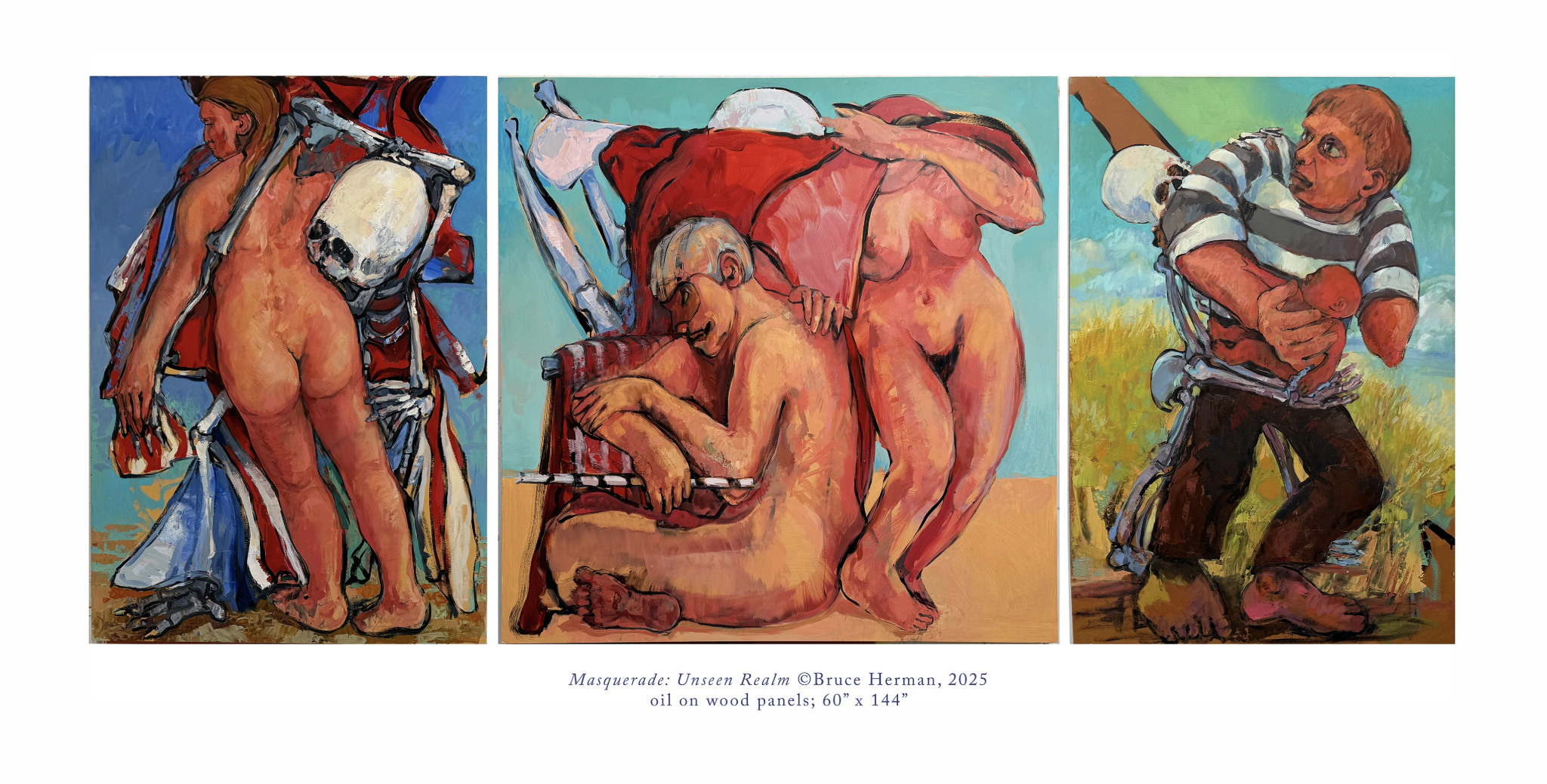
You guyssss Bruce Herman’s latest work.
I’ve been in San Francisco for a few days enjoying a break from winter, but this polar bear is living her best life.

Currently half-nursing along an idea for a book—intellectual memoir, I guess?—called After Sustained Reflection, I Changed My Mind.
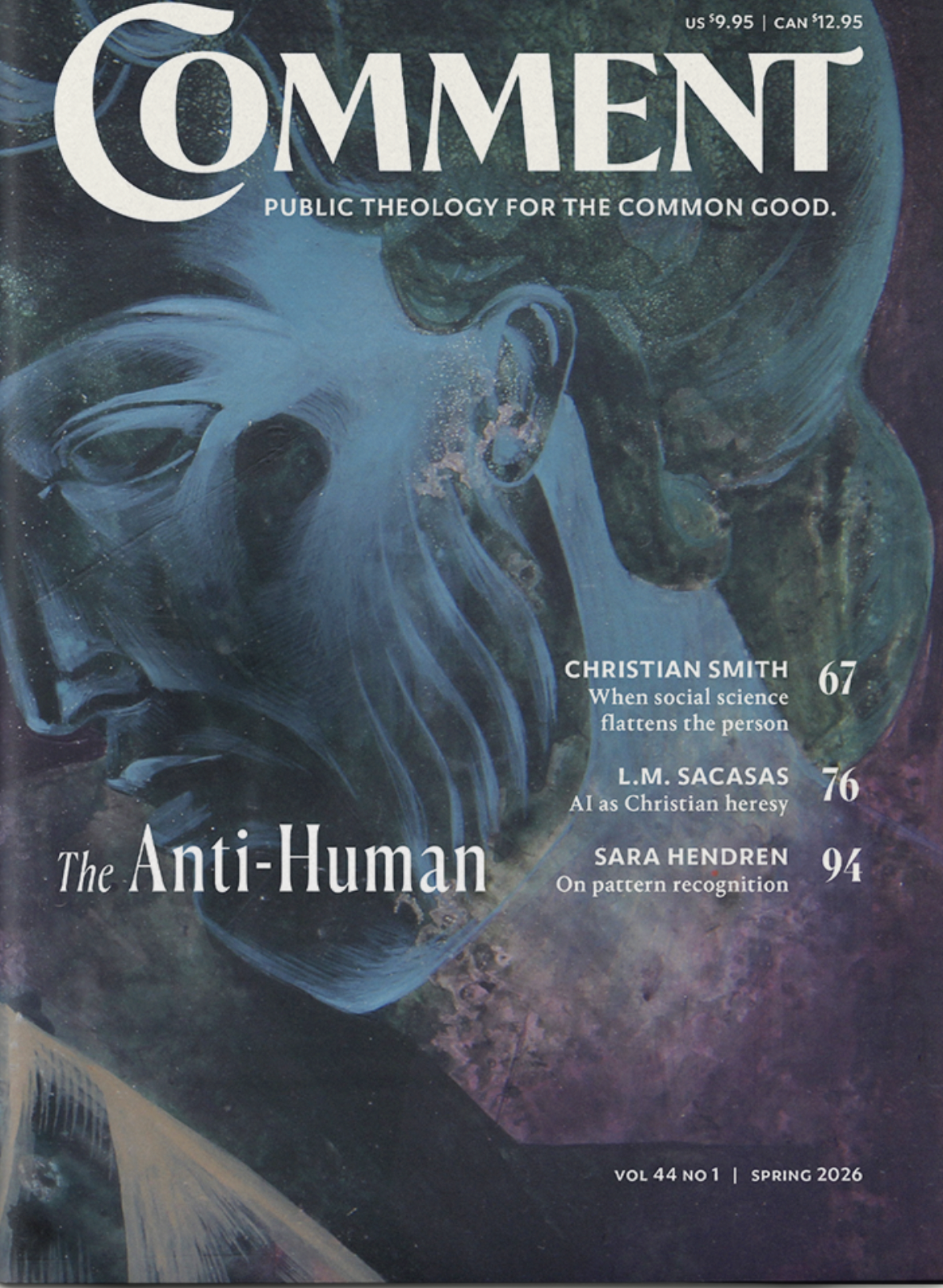
Coming your way soon if you’re a Comment subscriber!
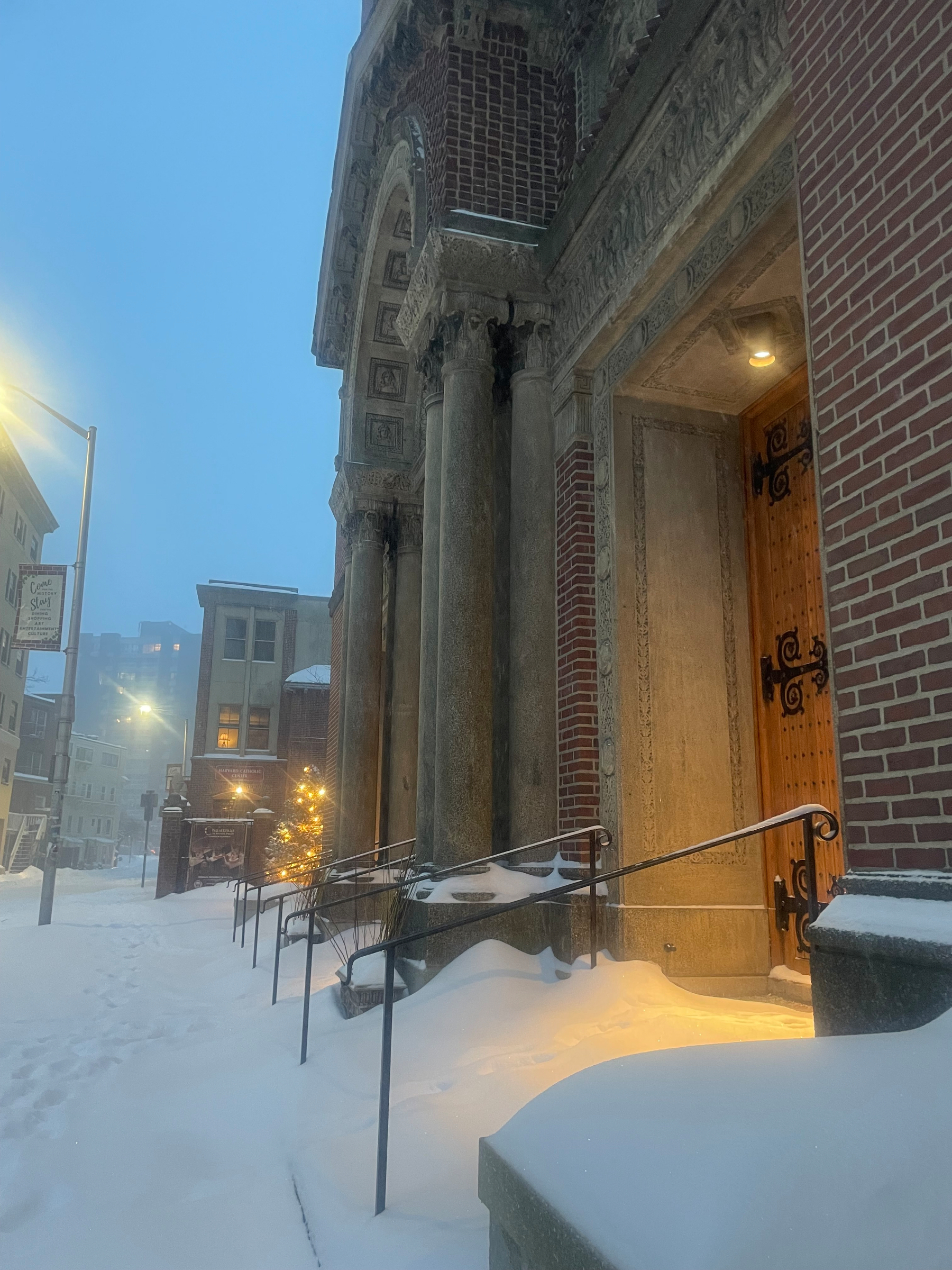
A great salve to trudge through the tundra yesterday for the 5 pm mass.
The soup kitchen at my church has an ongoing Amazon wishlist of clothing items for guests. Deep winter is a good time to re-up it, if you’re looking to help.
It’s so good to see George Scialabba really read Christopher Lasch and understand his neither-right-nor-left critique of modernity. Lasch “insisted on the fact of human scale.”
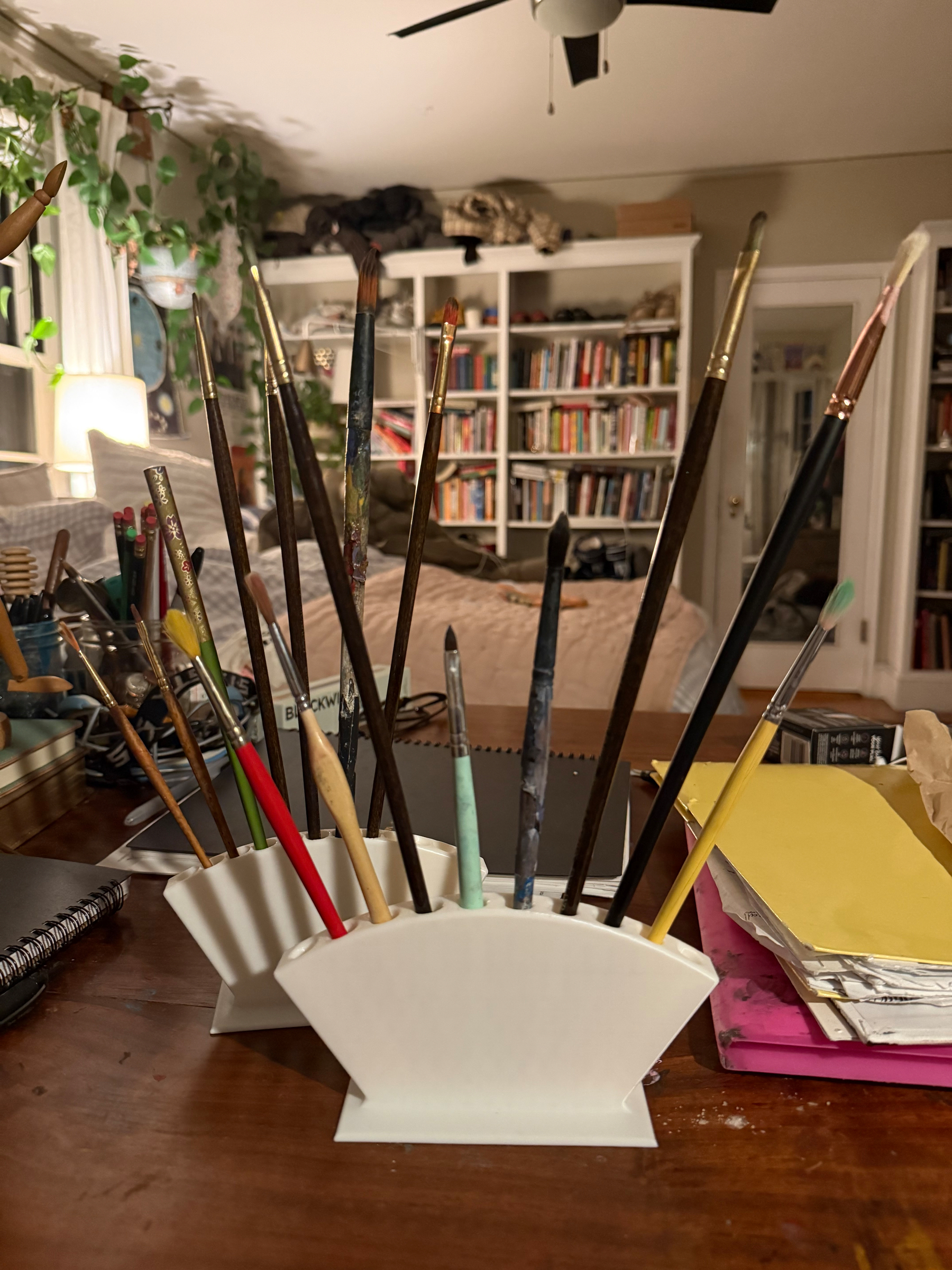
Our daughter’s boyfriend 3D printed her a paintbrush holder. Romance!
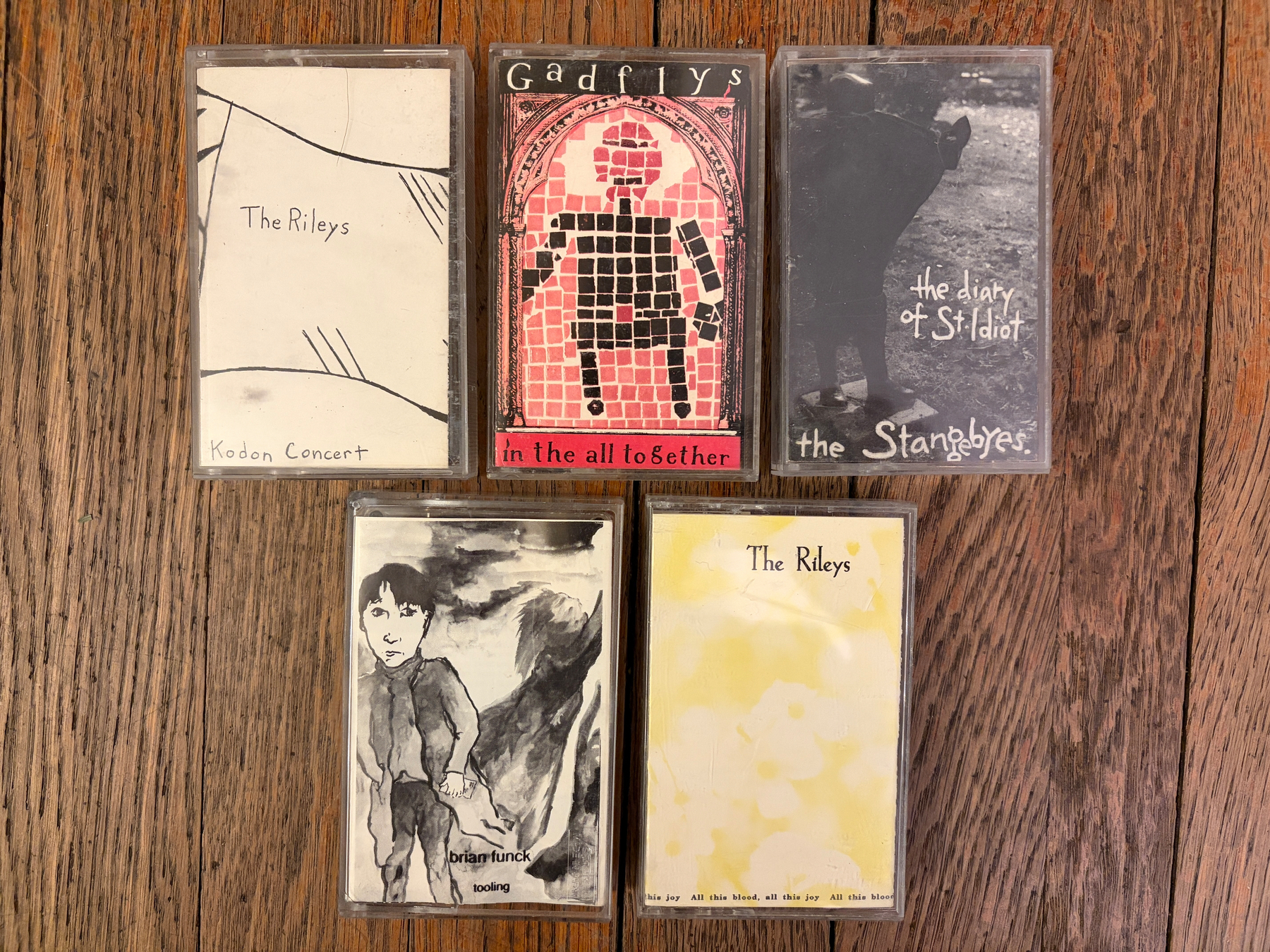
One day I really will write about how going to Wheaton College — where dancing and drinking and sex and drugs were verboten — was an absolute riot of creativity among my friends. We just unearthed these tapes, just some of the many bands and solo acts who wrote and recorded original music.
“In such situations, I have to learn the meaning of simply standing by.” On an ethics of life and accompaniment at a Vienna hospital, in Plough. Thanks to @isaacgreene for the link.
Our little public domain symbol goes official in Massachusetts. Surprises from that project abound.
Is it…wholly accidental that my students struggle to find the bookstore plugin on Canvas to see their required paper book titles?
Friends: if you can think of an academic journal article in any field that is both well written and (sorta) accessible outside its subfield, I’d love a rec. (I don’t need to explain why finding these can be… difficult.)