
← Home subscribe about archive reading Also on Micro.blog
  • At two conferences this week, but being Great Aunt Sara for a couple days was the best job of all.

    → 10:37 AM, May 28
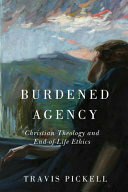
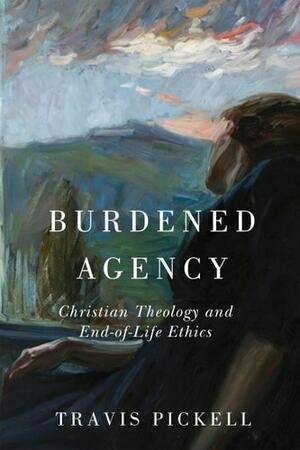
  • Finished reading: Burdened Agency: Christian Theology and End-of-Life Ethics by Travis Pickell 📚 What an achievement: a beautifully synthesized and articulated set of ideas for thinking through both death and life.

    → 2:42 PM, May 17
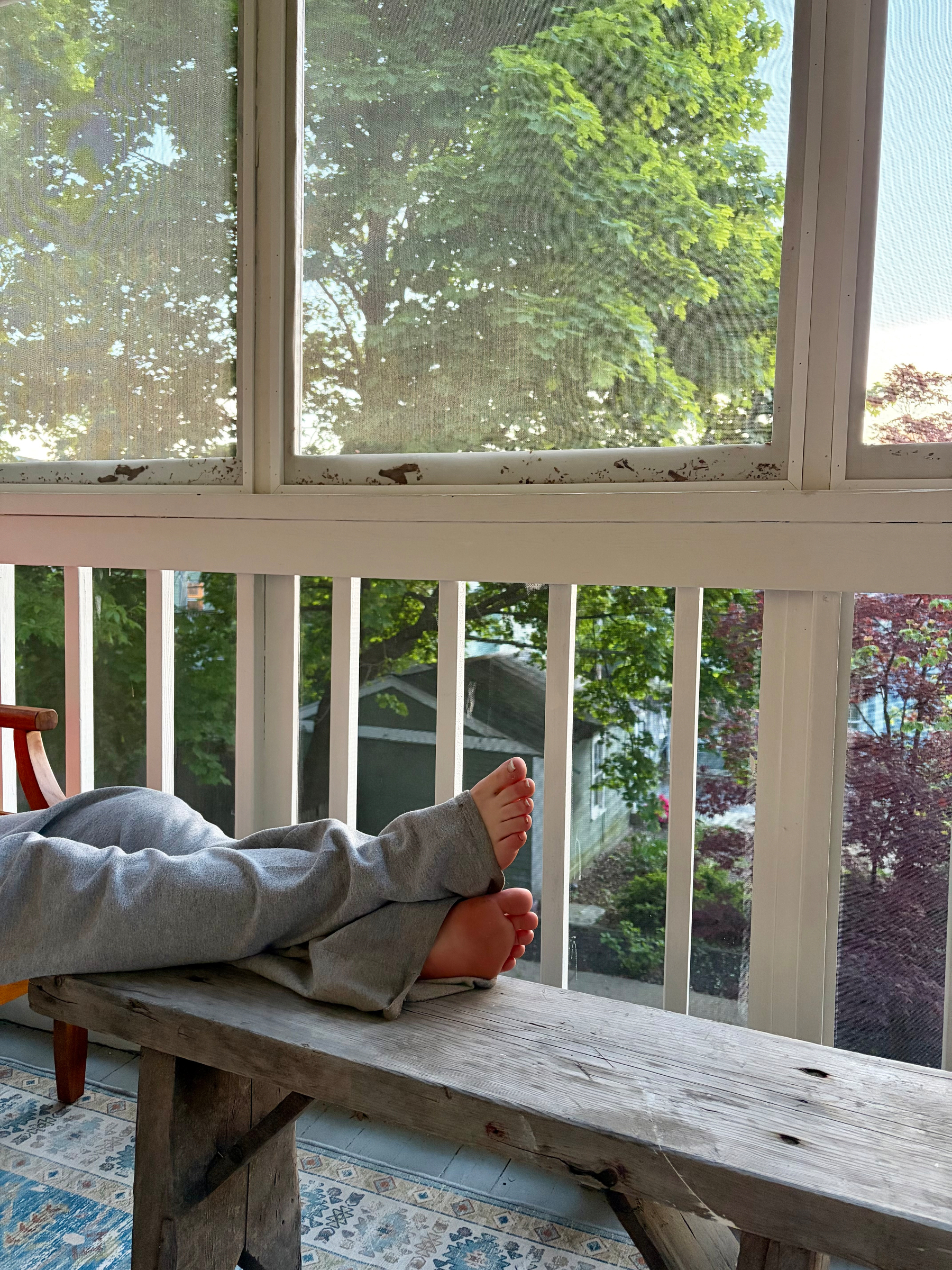
  • The view from our screened-in high back porch, with my daughter’s feet propped on a bench. We sit along the treetops here.

    → 8:02 PM, May 16
  • Absolutely divine walk tonight in Fresh Pond Reservoir.

    A shot across the reservoir of perfectly still water, verdant trees, sunset

    → 8:02 PM, May 15
  • It made me happy to see and hear voice teacher Jaron Legrair talk through the singing technique of Diljit Dosanjh.

    → 3:41 PM, May 15
  • inevitable, even if they don't like it

    Phil Christman:

    [O]ne anecdote [in Jill Lepore’s If Then] that has really stuck with me is the following: Right at the moment when Simulmatics made its big entry into politics, the 1960 election season, Harpers ran a very critical, where-will-this-all-end piece about the company. Unbeknownst to readers, and perhaps to Harpers, the whole thing was written by a guy who was part-timing for Simulmatics. I’d always thought of “Gee Whiz, This Tech Sure Is Neat” stories as the result of PR flacks doing their best, but—naive fellow that I sometimes am—it had not really occurred to me that PR could also speak in the voice of the forelock-tugging cultural pessimist, the person who wonders whether a particular technology will permanently diminish the meaning of being human. But “This widget I made is so powerful *that it threatens the Platonic Forms*” is actually a great message if you want to make everybody adopt your technology. People will use something they regard as inevitable even if they don’t like it. I do it every time I drive a car or take a plane. Best to be loved and feared, but better to be feared than loved, as Machiavelli argued. So all those news stories about children zombifying themselves: they’re not necessarily fake, the anecdotes might all be real, the journalist’s motivation may even be sincere alarm, but the work such stories do in the aggregate is very much in line with Claude’s PR strategy.

    → 11:21 AM, May 15
  • Finished reading: The End of the Affair by Graham Greene 📚

    The cover of Greene's Penguin Classic edition shows a man in a suit seated, as at a restaurant, and a woman's hand reaching into the frame to cover his hand with hers.

    → 8:14 AM, May 15
  • Alexander Kustov on LinkedIn as the Switzerland of the Internet:

    LinkedIn’s format (longer posts, real names tied to real careers, a less snarky default register) does a lot of the work of civilizing discourse without needing heavy moderation, because when the poster is visibly accountable to an employer and a professional reputation, the median comment tone shifts correspondingly, and bad-faith quote-dunking becomes rarer. There are also no anonymous accounts and almost no sub-tweeting; the median post reads more like a memo than a hot take.

    People can still disagree or criticize you heavily if you post something provocative, but they are much less likely to do it in a mindless or righteous way. In some ways, LinkedIn feels like an academic conference: people are civil, sometimes too nice, and not always willing to criticize a colleague openly. That conference-style politeness can smooth over real disagreement, but it is a much better failure mode than ad hominems and pile-ons.

    This is also my observation, along with what I wrote in 2022.

    → 8:16 AM, May 14
  • Fordham passes its new reduced core curriculum — from 17 required classes to 12. Maybe it’s a good thing; I don’t know enough to fully comment. But I’m very glad my daughter, as the last cohort to do so, will operate under the 17 rule, getting two classes each in philosophy and theology, etc.

    → 11:12 AM, May 13
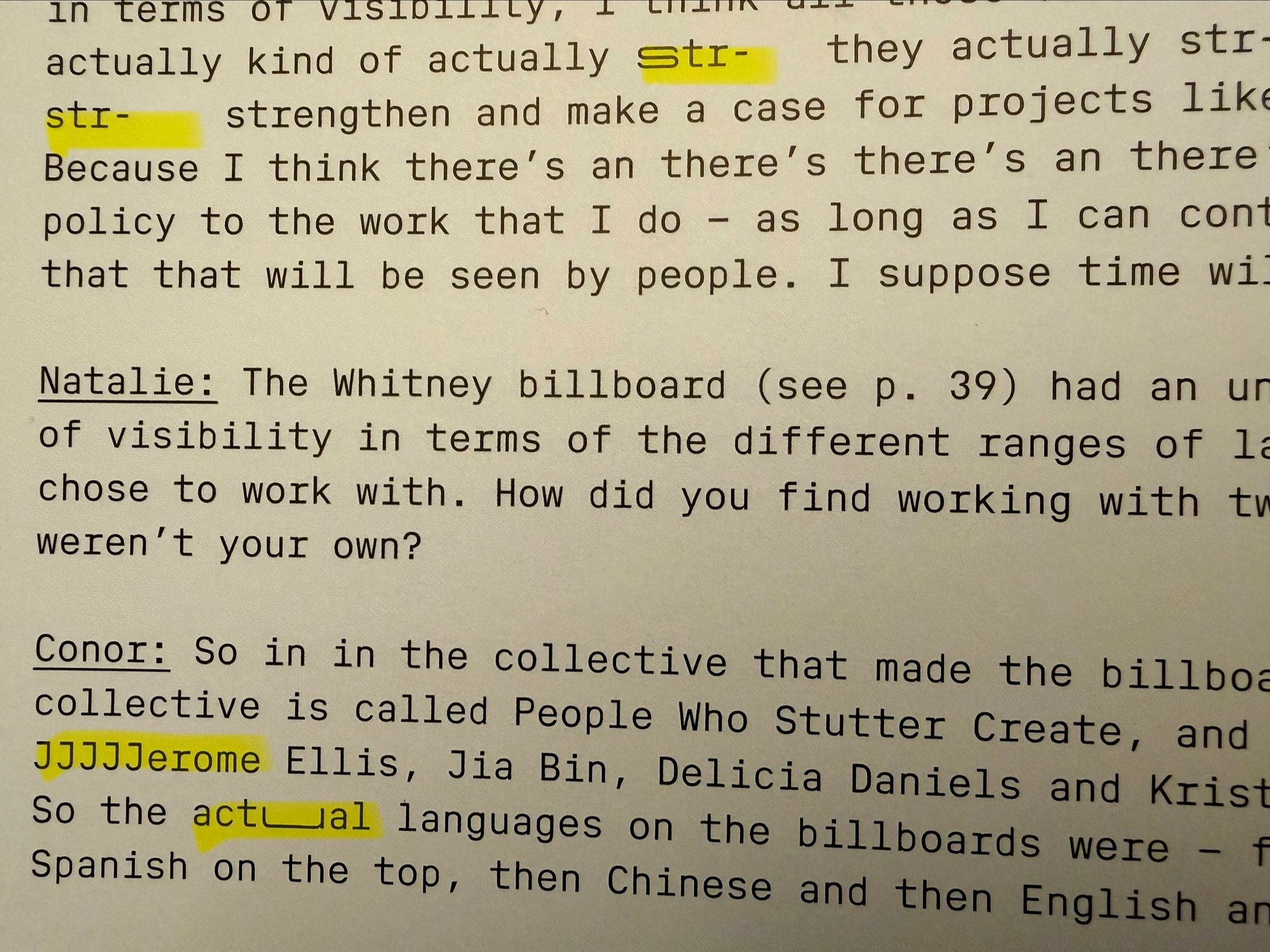
  • I love this: Conor Foran’s Dysfluent Mono typeface for representing the orality of stuttered/stammered speech.

    In a printed typeface, repeated consonants are represented with ghost letters prior to the first letter in a word, or stretched to indicate long holds, or with big blanks between words where there are blocks.

    → 7:08 PM, May 12
  • We hosted twenty five high school boys on the crew team tonight for pasta/pizza carb loading. Race day tomorrow. Delightful young people, looked me in the eye, offered many thanks, cleaned up after themselves, talked and laughed for two hours straight. The kids are all right.

    → 10:03 PM, May 8
  • design and birthing

    I’ll write much more about design for birth and death in coming months — I have a fellowship next year and will teach two new courses on this subject — but this story nicely details the ways that design processes can assist in some pretty big changes in health outcomes:

    The U.S. C-section rate has hovered around one in three for the last decade, but with great variation across hospitals. Some hospitals deliver just 10% of infants via C-section; others, more than 40%.

    These wide variations didn’t appear to be due to conventional explanations, the researchers found. It wasn’t the case that hospitals performing more C-sections had a higher number of complicated patients or patients who preferred the procedure. Nor was insurance a factor.

    Instead, the researchers found, C-section rates were largely a product of how much pressure a labor and delivery ward faces. They deemed it the “pressure tank model”: high patient volumes, limited staff, and the volatility of labor and delivery create a complex, stressful, busy environment where communication is difficult and teamwork erodes. As a result, clinicians opt to perform C-sections, even when medically unnecessary, rather than letting patients continue to progress in labor. C-sections are faster, requiring fewer nursing hours at the bedside. And, once the procedure begins, clinicians no longer have to communicate back and forth as much to make decisions about a case.

    “Research has demonstrated that the more dysfunctional a team is, and the more negative culture is within a labor and delivery unit, the more C-sections there are,” Weiseth said. “It makes sense, right? If people aren’t working well together, they’re going to use the release valve of a C-section more often.”

    The team found other culprits driving too-high C-section rates, including financial pressures—obstetric care as a whole is poorly reimbursed and C-sections earn more money than vaginal deliveries—and inconveniently designed wards, with too many rooms placed too far away from each other, cutting off communication between clinicians.

    → 11:53 AM, May 8
  • arguing for and against

    Naomi Kanakia has some things to say about The Hedgehog Review. She’s taking some issues apart in good faith, I think, and pondering a real question for many small magazines doing Big Idea Cultural Criticism: Are you making efforts to argue for plenty of specific things to counter your arguing against?

    “Right now the journal keeps saying that we need a revival of ‘humanism.’ That if people accept that human beings are ‘normatively ordered’ (i.e. that there is purpose to human existence that we can derive from reason) then our institutions can be re-organized in a more sustainable way.

    But…this is exactly what the post-liberal right believes. It’s the exact same rhetoric. So…obviously there is a lot of disagreement about what ‘humanism’ really entails. Now maybe The Hedgehog Review actually does believe in Orbanism—in some right-populist takeover of liberal institutions—but if so then they ought to say that.

    If they don’t believe in that, then it’s hard to really see what they want. All this mealy-mouthed stuff about how everybody else is ‘antihumanist’ is just cope. It’s saying, ‘Oh, these other people don’t actually want human flourishing, and if they wanted human flourishing then they would agree with me.’ But you yourself haven’t really articulated what you actually want or believe!”

    I’m not sure I managed it successfully, but in my recent Comment piece I was trying to argue for design as a bottom-up set of humanist “arguments,” in a way, for lives worth living, for localist values embodied and enacted instead of (in addition to?) bullet-pointed and arranged rhetorically.

    → 1:37 PM, May 5
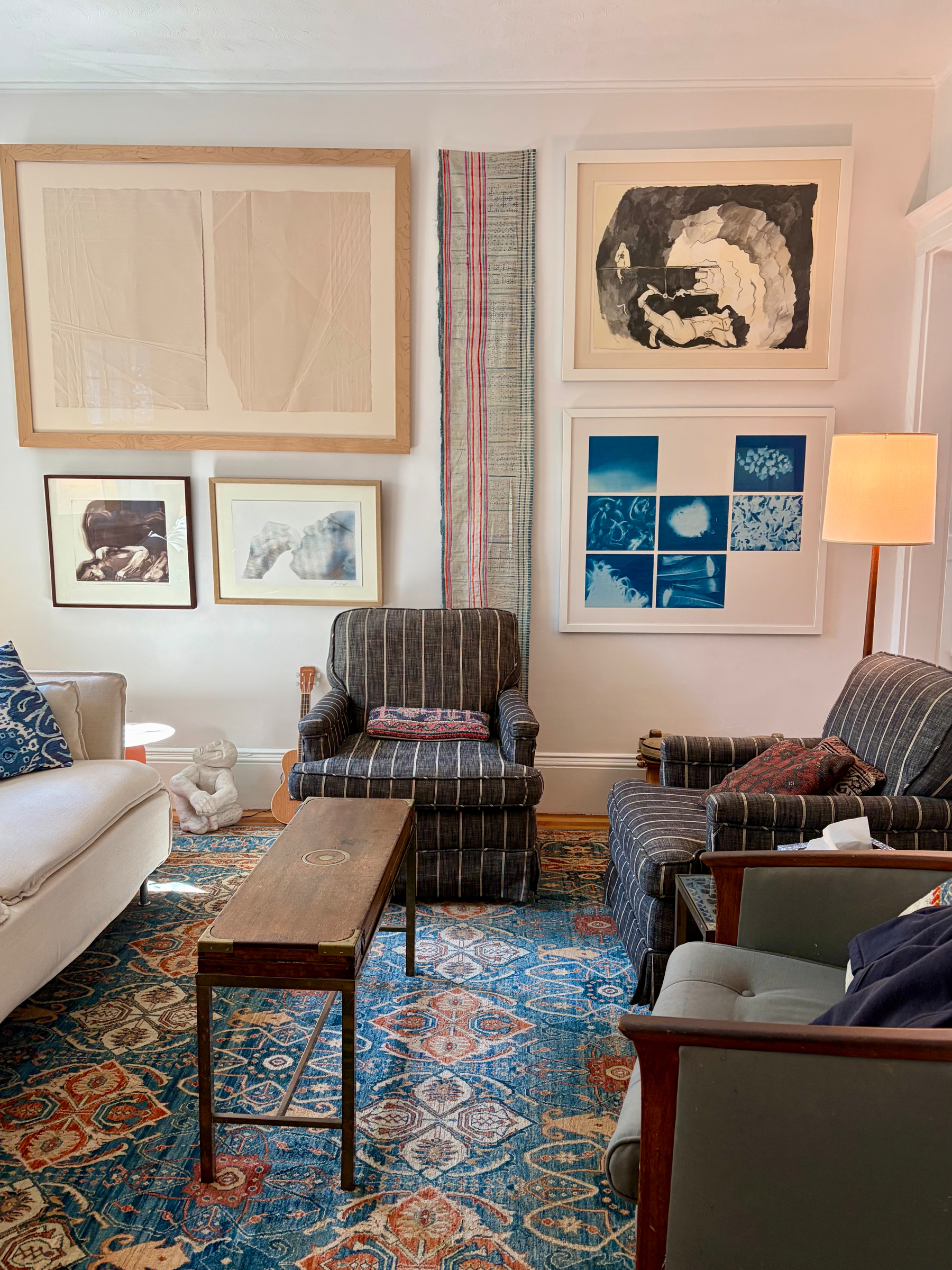
  • …became this one. Moving is terrible, but designing a small room to feel big is fun.

    That same white living room, now with floor to ceiling artworks, warm textiles and lamps.

    → 11:32 AM, May 4
  • Very pleased about how this space…

    Our empty apartment living room, just windows and white walls and wood floors.

    → 11:29 AM, May 4
  • Finished reading: Transcription by Ben Lerner. A novella, perhaps even a long story. Thoughts to come, maybe. 📚

    → 2:33 PM, May 3
  • an architectural haven for slow thinking and writing

    Anastasia Berg:

    “Once we identify the problem—the sheer magnitude of what is being lost—it becomes immediately clear what any solution worthy of the name must accomplish: the hours must be recovered. How to do this is a good question. I have heard tales of complicated incentive schemes involving baroque grade distributions, of in-class writing samples used as internal benchmarks for outside-class writing, of Dead Poets Society reenactments. I don’t know that these won’t work. But I know what I think about when I confront this question: a big room. A pleasant-enough room with tables and chairs, and maybe some cookies at 9 p.m., budget permitting. A room that it is very easy for an instructor to require a student to spend time in—as easy as checking a box. A room with lockers for your bag, that you can walk into with just a book or a question to spend a few hours with, without distractions, without any offers of ‘help.’ Sometimes when I tell colleagues about it they express concern that requiring students to spend time in my room would feel punitive and paternalistic. But most people just say it sounds like heaven.”

    → 1:39 PM, May 2
  • gen ed or true core?

    Fordham debates holding onto its robust Jesuit core curriculum. I’m glad my daughter is starting prior to any dilution of its current structure. Christopher Cullen names the problem I see everywhere — words for the good used all over the place without any sustained examination of their root traditions:

    “Taking general education requirements in ‘justice’ (merely one of multiple options for seminars) without a prior systematic and deep foundation of reflection on the question of ‘what is the good?’ and on the normative ethical theories that follow from this reflection will contribute to the incoherent discussions of ethics that transpire in the public square today. To debate justice, one must first know what the good is. Students will be using terms without really knowing what they mean, a malady that Alasdair MacIntyre famously diagnosed a generation ago. It will be like people using terms such as ‘neutrino’ or ‘atomic weight’ without ever having taken basic science courses, or like students doing algebra without ever having taken arithmetic. There is an order to learning in the sciences and mathematics. So too there is an order to learning ethics. The new proposal cuts out the basic ethics course and thus will send students to debate ‘justice’ with little idea of what the term may mean or of the sophisticated and complex millennia-long debates that have transpired over this very topic.

    Furthermore, in the name of freedom for students, the proposed smorgasbord of courses will in fact imprison them in the ignorance of their own culture and civilization, not knowing who they are, where they came from, to what civilization they belong, or of what stories they are a part. Such general education requirements, masquerading as a core curriculum, will produce ‘hollow men.’ Hollow for many reasons—hollow for not knowing where or when they are but hollow also because they will never have engaged in the first task of education: ‘to know thyself,’ to explore the inward caverns that are the human mind and heart.”

    → 10:11 AM, Apr 30
  • I had fun speaking on the Art of Inquiry, a podcast created by two Northeastern engineering students interested in the arts and humanities. My strange career path, my mentor Krzysztof Wodiczko introducing me to interrogative design, raising a child with Down syndrome, studio + lab culture, more.

    → 10:20 AM, Apr 29
  • Our girl’s going to Fordham! She is so excited, and so are we.

    Our daughter wears a Fordham sweatshirt, smiling.

    → 9:35 PM, Apr 27
  • It’s my birthday, and my teenagers are fully leaning into the old people cards (with very very sweet notes inside ❤️).

    A white card has thick black lettering that reads: Happy Birthday; here’s a card you can read without your glasses.

    → 9:56 AM, Apr 25
  • blog blues

    The blog function on my web site is broken, and I don’t know why, and I don’t want to know why. I just want it to work. Something about Siteleaf and GitHub and repos, maybe. I’ve chatted with some backend help folks, but they can’t really see all the connections, and it’s just bumming me out to have a backlog and need to chase down these software details that come with being on more open web applications. I already wrangle way too many software glitches that are required in programs for my job! I like the spirit of open web tools, and I’m glad my designer set me up this way. He’s so great (and no longer doing web design, on to bigger things!). But I’m not sure I’ll do it again when I seek out a redesign soon. It might be Wordpress or similar again in the next go-round.

    → 10:59 PM, Apr 24
  • excerpt from my new Comment essay out from paywall

    “It can be hard to fully appreciate this kind of design for the astonishing, radical statement in its provision: that the babies of strangers carry the kind of dignity that is tantamount to those of close kin and tribe. It’s an idea that had to be invented, that goes against the self-preserving optimization of communities adapted for fitness. This kind of dignity makes claims on a collective, perhaps a polity. “Design for dignity” is easy to affirm at the high level of uncontroversial principles, but in practice it too often takes on the straightforward structure of unidirectional charity, as though dignity were a good or service extended from those who somehow “have” it to those who somehow lack it. A sharper term from theologian Helmut Thielicke might get us closer to what’s true: Dignity is not a possession to be more fairly meted out but a universally contingent relational force—a bracing state of human dependency on divine sustenance, a vitality on which each human life hangs every second. Thielicke called this an “alien dignity”: the shape of a reality utterly not of our own making. Our task is first to recognize it before wielding it—to recognize it in ourselves as in others, and perhaps to recognize its force in the designed DNA of the inherited built world, a form of material argumentation that so easily goes to sleep in our imagination. You don’t need to have a maximalist theory of the state—either for or against—to see the sense of possibility on offer.”

    I’m trying to think through my many still-forming questions for the domain of design in this essay.

    → 12:38 PM, Apr 23
  • No Omen But Awe

    A friend just shared this Christian Wiman poem:

    No Omen but Awe

    I thought it would all resolve one day in diamond time. Life like a gem to lift to the squint as through a jeweler’s loupe.

    I thought every facet and flaw neither facet nor flaw in some final shine; chance and choice uncanny cognates; form, fate.

    Now I am here. No diamond, no time, no omen but awe that a whirlwind could in not cohering cohere. Loss is my gift, bewilderment my bow.

    [apparently “bow” here is the one that rhymes with “cow”]

    → 12:23 PM, Apr 23
  • Going to a structured deliberation with students about the conundrum of disability accommodations in higher ed this afternoon. (Private, unrecorded, Chatham House rules.) In case this is also a topic you’re willing to wade into, see this extensive, evidence-packed, and sympathetic report.

    → 12:39 PM, Apr 22
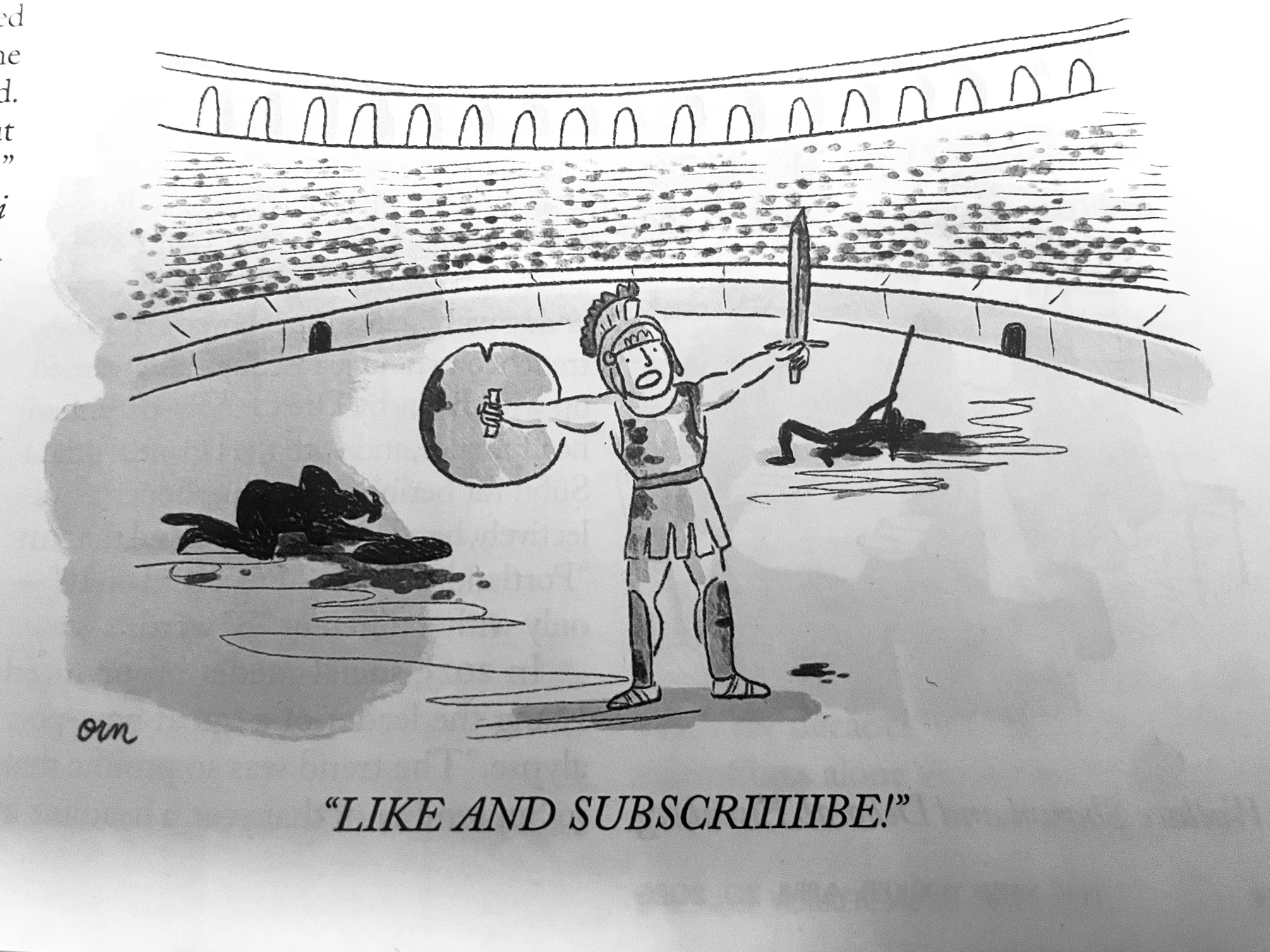
  • Sometimes the New Yorker still brings it.

    In a cartoon image, a Roman gladiator, triumphant over foes, exclaims “LIKE and SUBSCRIIIIIBE!”

    → 5:02 PM, Apr 20
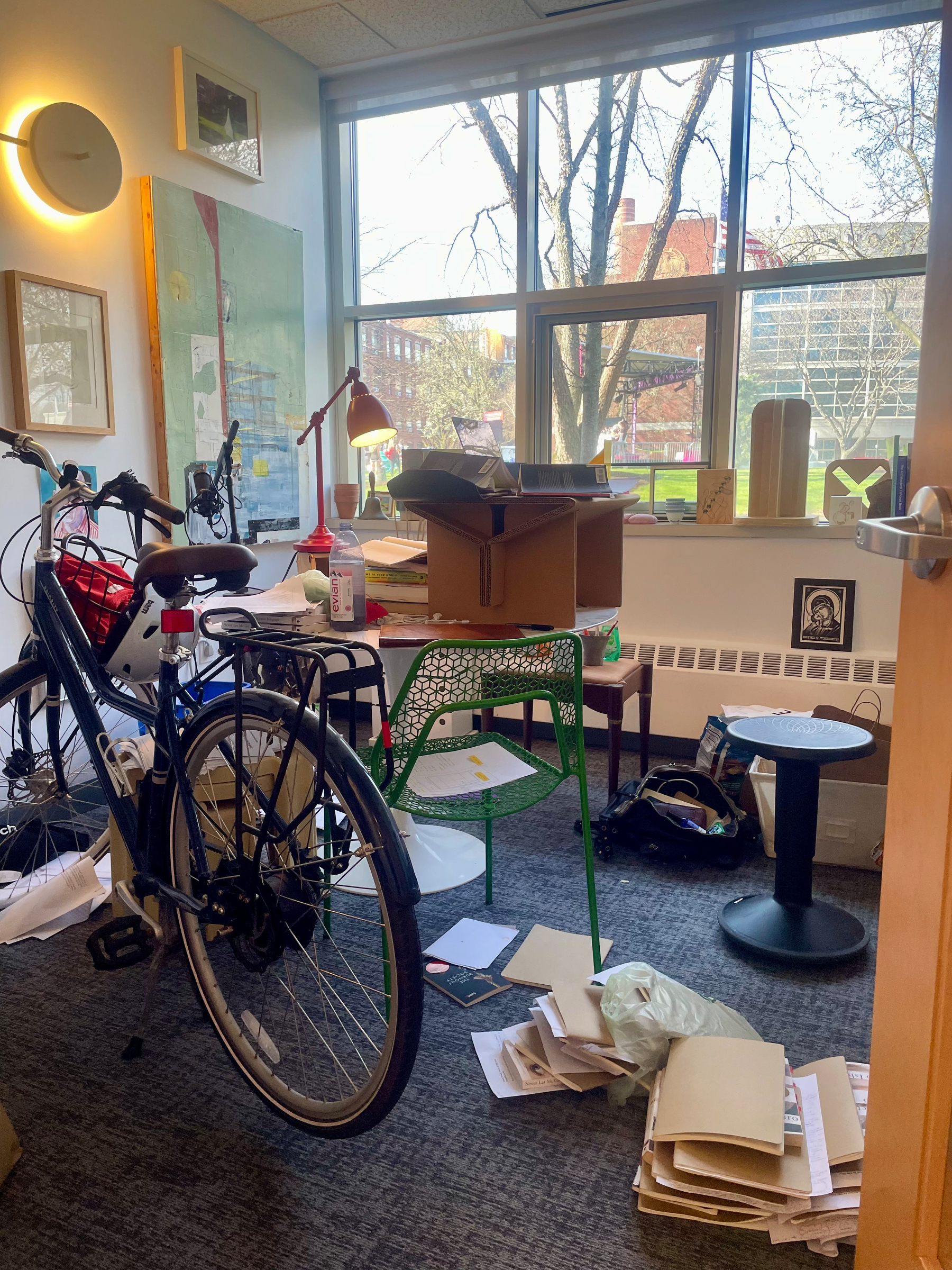
  • End of classes this week. Office status = tracks.

    In my office, my bike and desk sit covered in notebooks, book piles, and loose paper detritus in every direction.

    → 4:22 PM, Apr 14
  • “Cognitive surrender” is… vivid (via this excellent roundup of studies and reporting).

    → 10:48 AM, Apr 14
  • My boy, hatless, last Saturday. Newly 16. All the babies grow up.

    In a four-person boat, young men row the Charles River.

    → 10:27 PM, Apr 13
  • a listener of last resort

    “Via a parent or sister or nun or friend, a spouse or former spouse, names and addresses of the AIDS afflicted had a way of making their way to Dan. One visit tended to lead to another until death intervened. A typical first sentence: ‘I heard from so-and-so that you were ill and thought I would drop by to see how it’s going.’ He never identified himself as ‘Father Daniel,’ just Dan. ‘I wanted to make it as clear as possible that I was seeking no conversions or last-minute confessions,’ he told me. Dan often presided at funerals of people whom he had met only months or weeks before. He described himself as ‘a listener of last resort.’”

    Jim Forest, At Play in the Lion’s Den: A Biography and Memoir of Daniel Berrigan.

    → 10:35 PM, Apr 7
  • Kinda mad no one told me about Clare Carlisle before now. Glad that Transcendence for Beginners is in the mail.

    → 3:19 PM, Mar 31
  • Sperm whales gather up to help birthing mothers and babies.

    → 9:05 PM, Mar 27
  • no amount of debunking multi-tasking will diminish the behavior

    Went to a recent school district committee meeting and: almost all council reps on laptops the whole time. Annual symposium at my university today: laptops during presentations. Was visiting consultant to big tech company to speak with staff about an r&d mandate that is open-ended, well-funded, ambitious and: laptops. Endless scrolling while presentations, hearings, talks are happening. I make an absolute rule in my classrooms or it would be the same. At this rate I could run for president if only because I actually sit and pay attention.

    → 12:16 PM, Mar 23
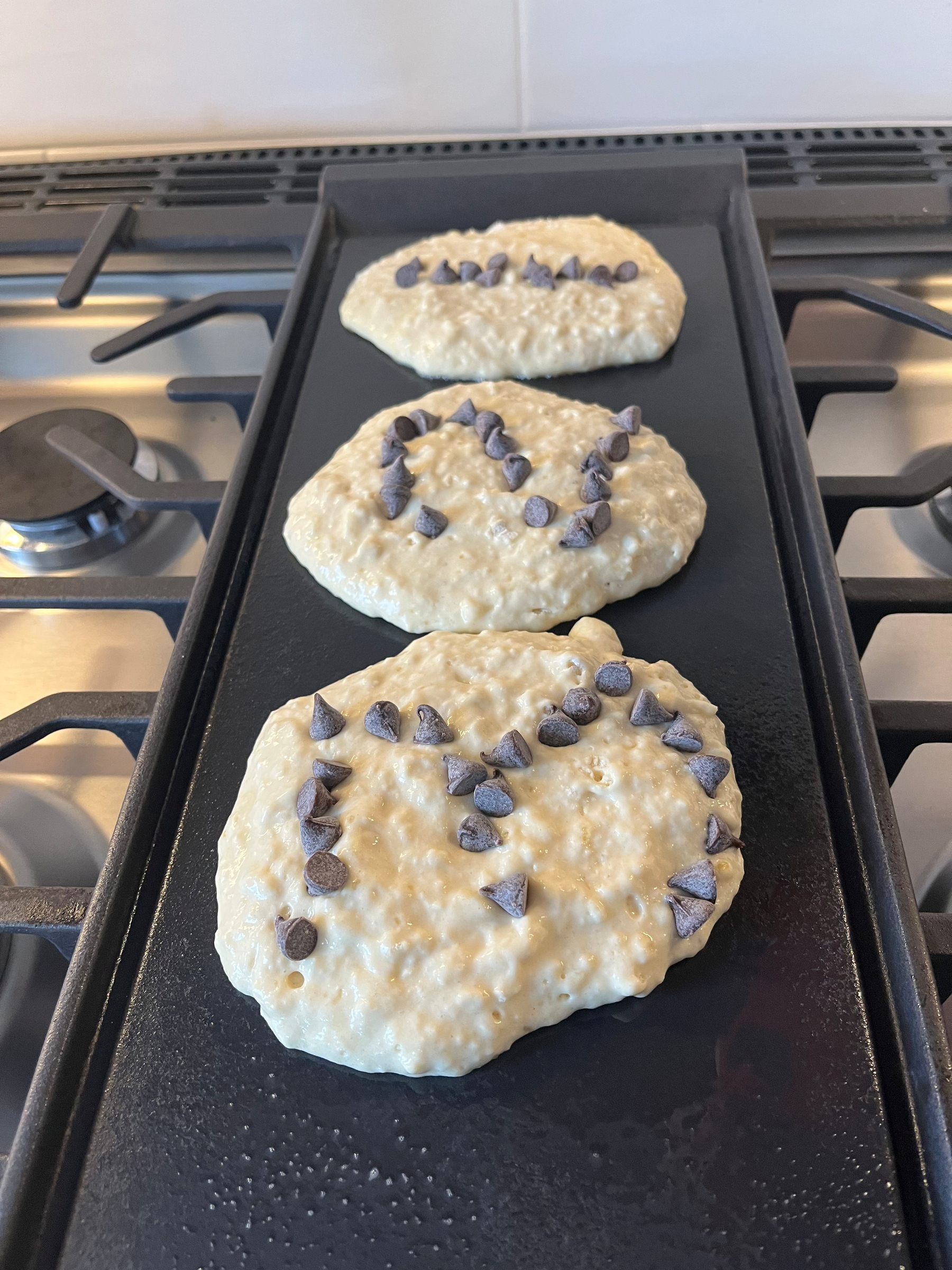
  • Chocolate chip pancakes on World Down Syndrome Day.

    On the griddle, three pancakes feature chocolate chips in the shapes of the numbers three, two, and one, respectively

    → 10:40 AM, Mar 21
  • Currently riveted by this book — told by a man who was a young Catholic Worker in the mid 20th c, in the circle of both Berrigan brothers, plus Day, Merton, so many others. If you only see the draft-card-burner rabble-rouser in this character, you’re missing so much.

    The cover of Jim Forest’s At Play in the Lion’s Den. Fr Berrigan stands in handcuffs and making a peace sign.

    → 12:43 PM, Mar 18
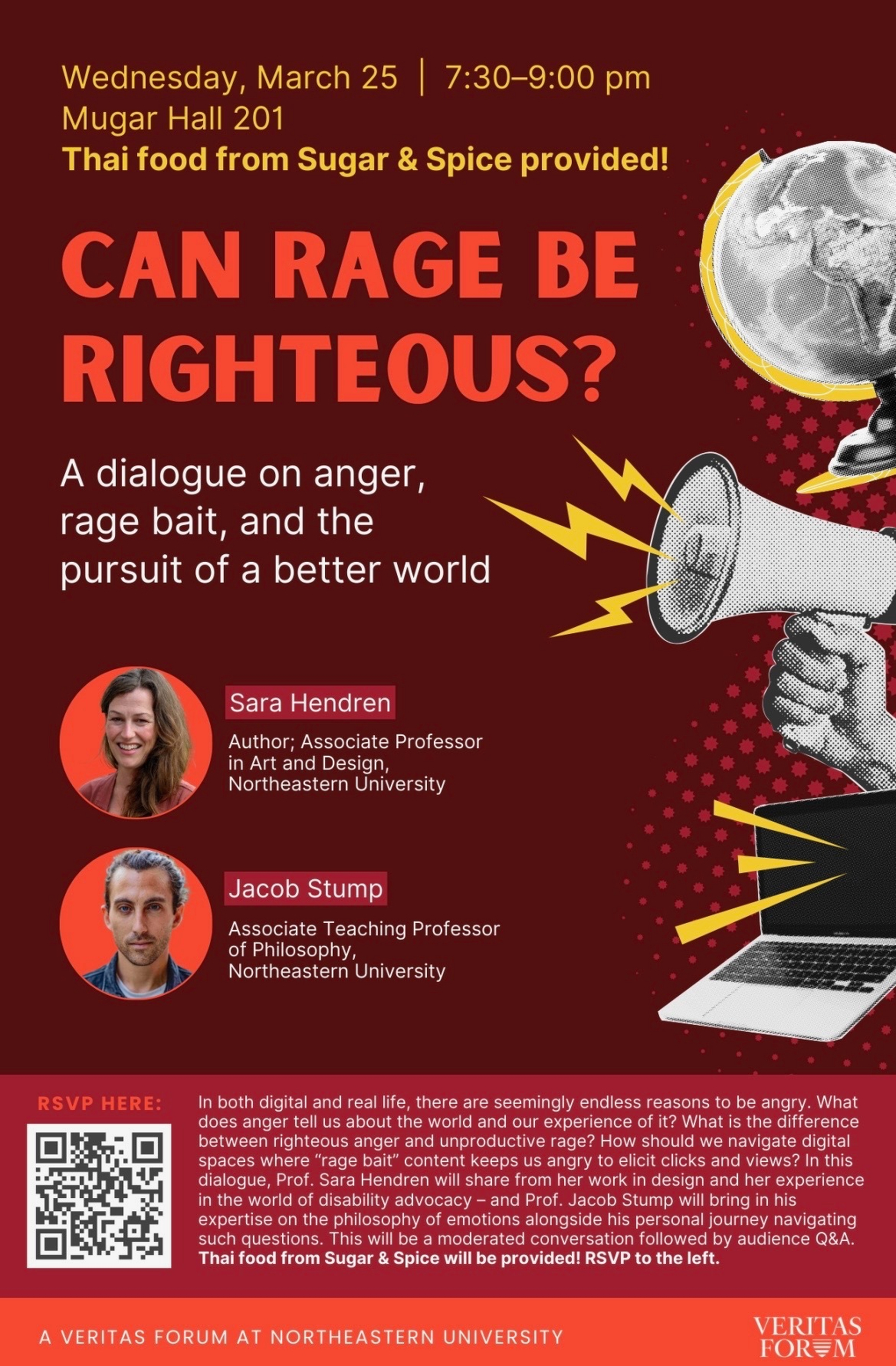
  • I’ll be speaking with my philosopher colleague Jacob Stump at a Veritas Forum event on March 25 on Northeastern’s Boston campus—a dialogue about the nature of anger. Register with this form.

    A poster for the event reads with the title: Can rage be righteous? There are headshots of the two speakers and a QR code to register. Thai food for dinner is provided; the event is on March 25 at 7:30 pm in Mugar Hall 201.

    → 10:08 PM, Mar 11
  • on labels and kids and schools

    I need to write a long post about the many parents I know who come to me for advice about accepting an ADHD/related dx and the requisite IEP or 504 bureaucracy for their very average kids. It’s a well-meaning move from all parties to “do everything we can to help” by intervening. But the longitudinal data on labels is pretty damning and on medication is mixed at best. Again: good intentions from everyone. But parents need to be ruthlessly honest with themselves: Will intervening and saddling kids with labels really enhance the child’s school experience? Or will it salve a parent’s need to have a self-concept of Good Parent, one who Fights for the Child? Or will it solve a teacher’s (sometimes justified) need to have an optimized classroom? Those questions have very different protagonists. So much of parenting requires tolerating the inner uncertainty about how to attend closely to one’s individual children, including the attendance that is the most challenging and vital: watching, listening, and waiting.

    → 7:53 PM, Mar 11
  • Friends in MA and NY: Skylark Ensemble performs a Lent program this weekend. I am so sorry to miss it — this group is incredible.

    → 2:14 PM, Mar 10
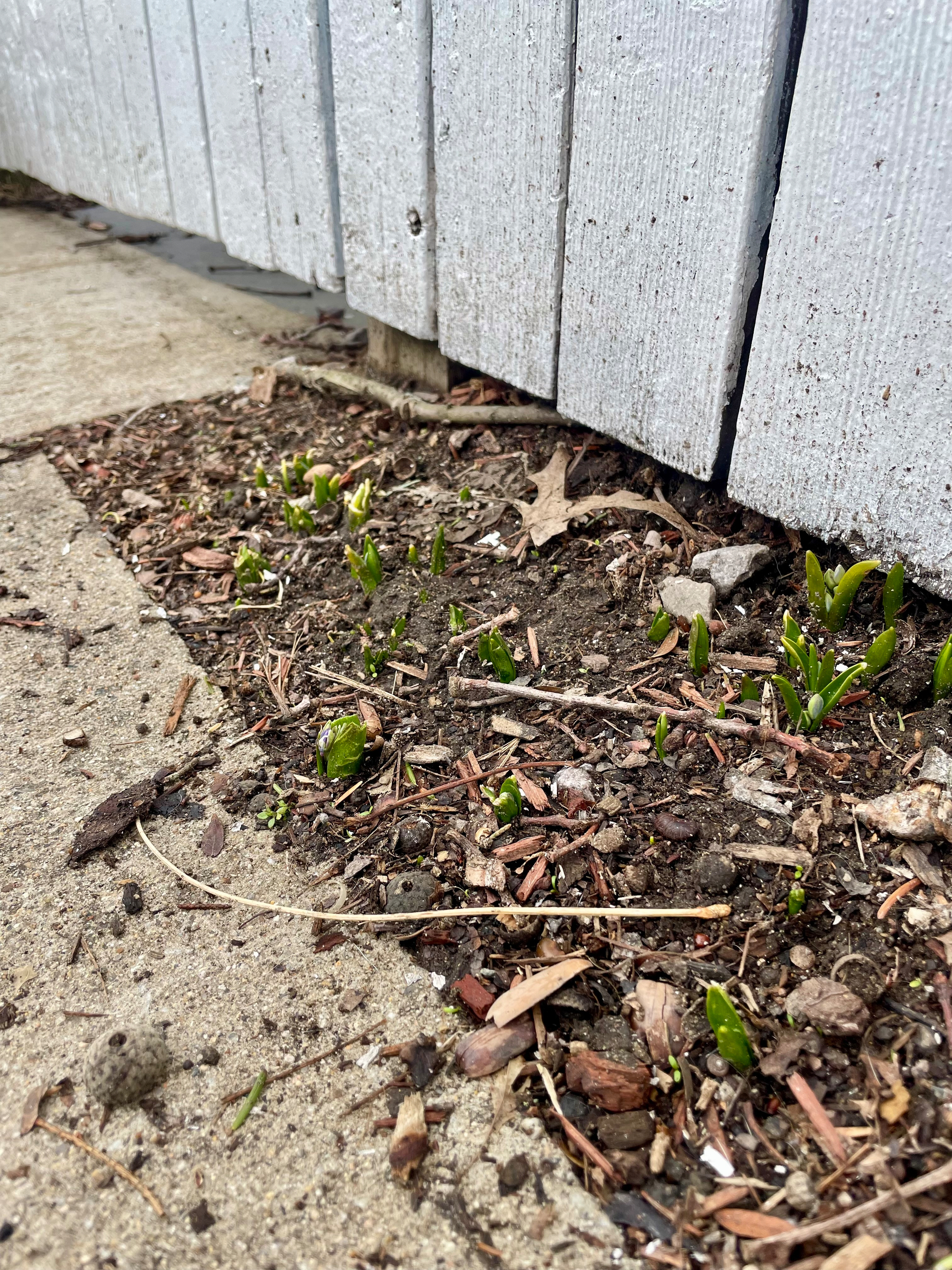
  • Officially: gonna make it

    In a patch of ground next to a fence, the tiniest green shoots spring up.

    → 12:05 PM, Mar 8
  • Currently reading: Burdened Agency by Travis Pickell 📚So many strong concepts and integrated thinking here.

    → 8:41 AM, Mar 7
  • Glad to see my colleague in disability/design @pauldefazio here on Micro! Do please welcome him.

    → 9:58 AM, Mar 5
  • A student-built ice cathedral at Notre Dame.

    → 3:19 PM, Feb 13
  • My PhD student is being advised left and right to let Claude do her lit review, write her qualifying presentation, summarize the books she needs to read to prepare. She is holding fast to the conviction that this slow, frictionful work is the work she signed on for. Immensely proud of her.

    → 1:09 PM, Feb 13
  • My son Malcolm (15) and I are on our fourth watch-through of Band of Brothers — a winter tradition. I think I’ve seen it twice more before that, so I’m officially versed in the 101st airborne. Other fans here?

    → 3:32 PM, Feb 12
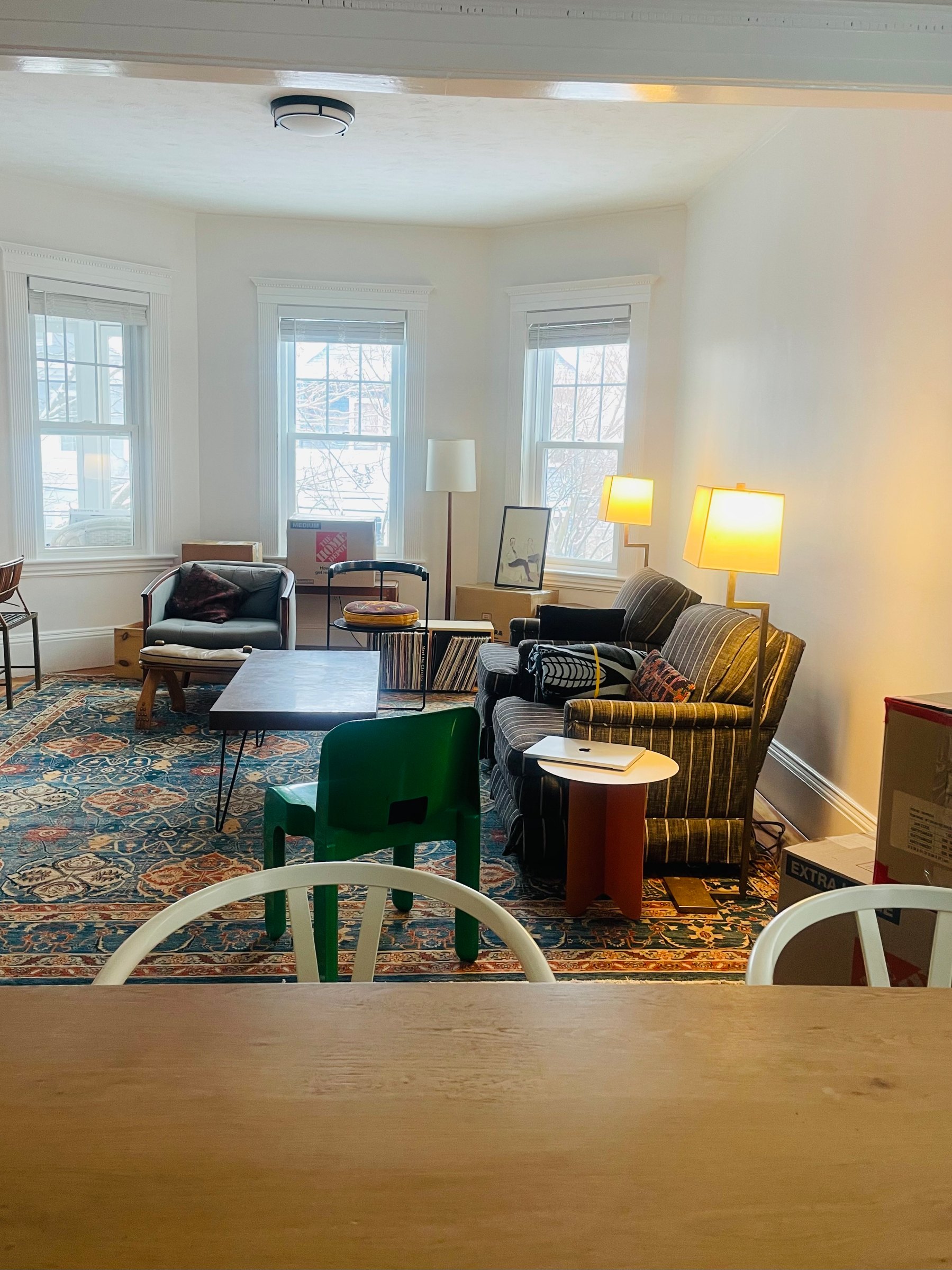
  • Hundreds of tasks to go and still more snow coming down, but we’re in to our new place! It’s very quiet here.

    A shot of our living room with furniture, records, artwork strewn about.

    → 10:01 AM, Feb 7
  • here we go

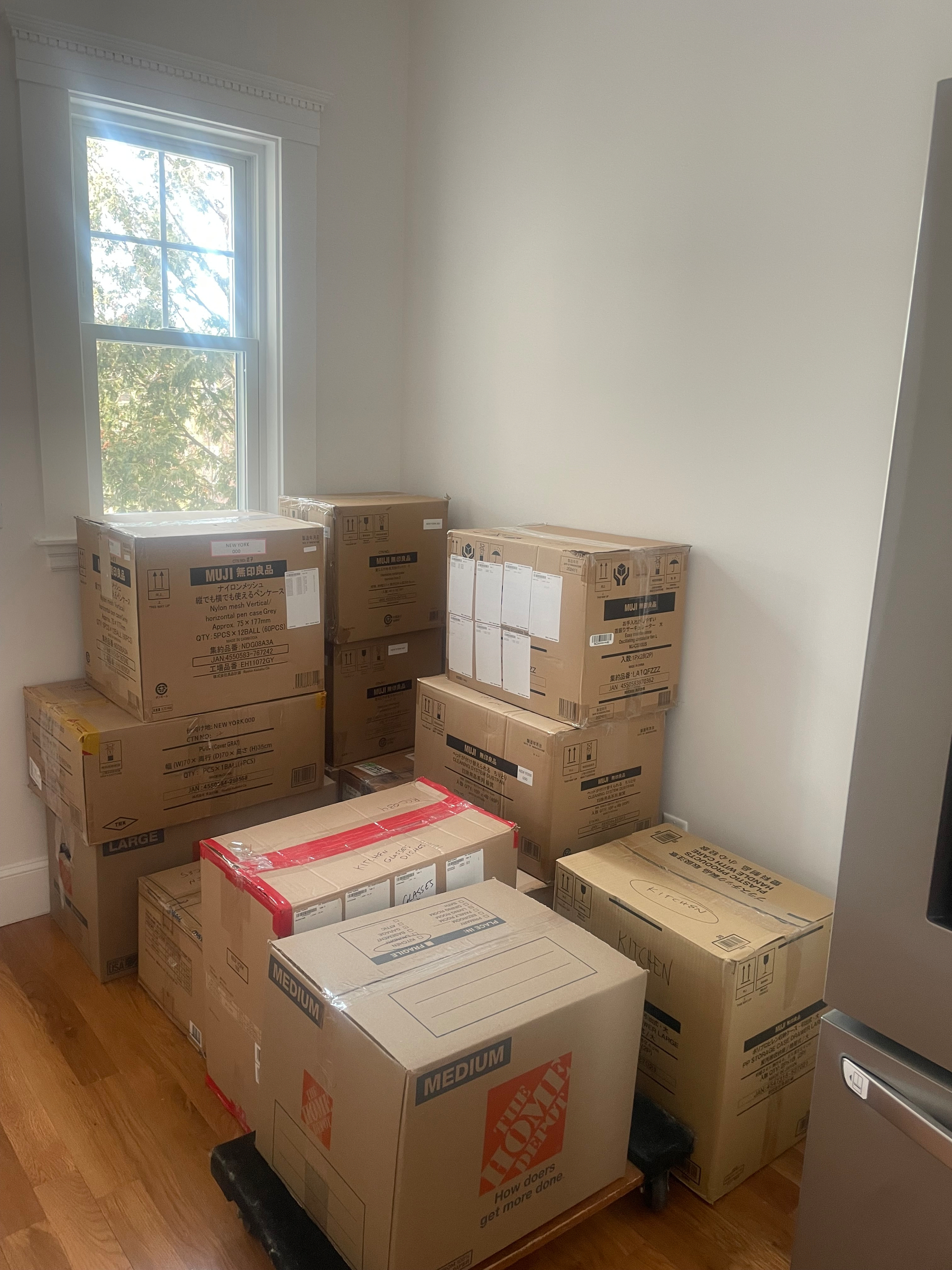
    A bunch of moving boxes by a wall in our old apartment, ready to head out

    → 10:13 AM, Feb 4
  • I have plenty of complaints about the UI of Substack, but there is a burgeoning network of professors there sharing principled and ingenious pedagogy for the age of LLMs.

    → 9:14 AM, Feb 2
  • Current status: moving week, new apartment! We’re having to get snow removal just to fit the truck out front, but such is the process.

    Our bare living room and dining room, gleaming white walls and wood floors.

    → 11:14 AM, Feb 1
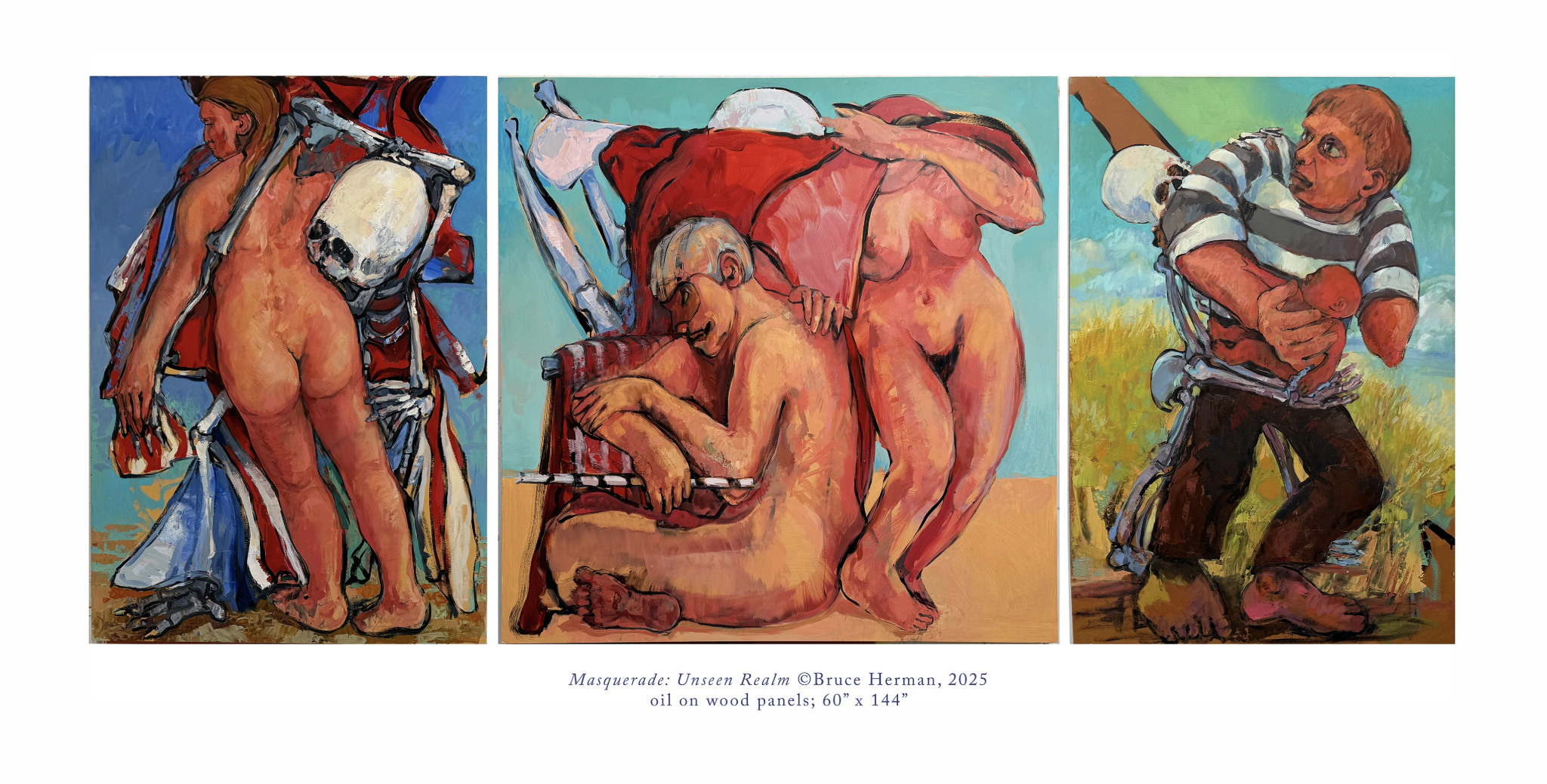
  • You guyssss Bruce Herman’s latest work.

    Three photos of the tortured fleshy figures chased by skeletons in Bruce's latest paintings.

    → 4:20 PM, Jan 31
  • I’ve been in San Francisco for a few days enjoying a break from winter, but this polar bear is living her best life.

    Our Great Pyrenees, Agnes, stands white and fuzzy in a snowstorm.

    → 3:58 PM, Jan 31
  • Currently half-nursing along an idea for a book—intellectual memoir, I guess?—called After Sustained Reflection, I Changed My Mind.

    → 3:16 PM, Jan 31
  • Coming your way soon if you’re a Comment subscriber!

    The cover of the spring issue of *Comment* has Christian Smith on sociology, L.M. Sacasas on AI, and me on pattern recognition (design and architecture).

    → 2:40 PM, Jan 29
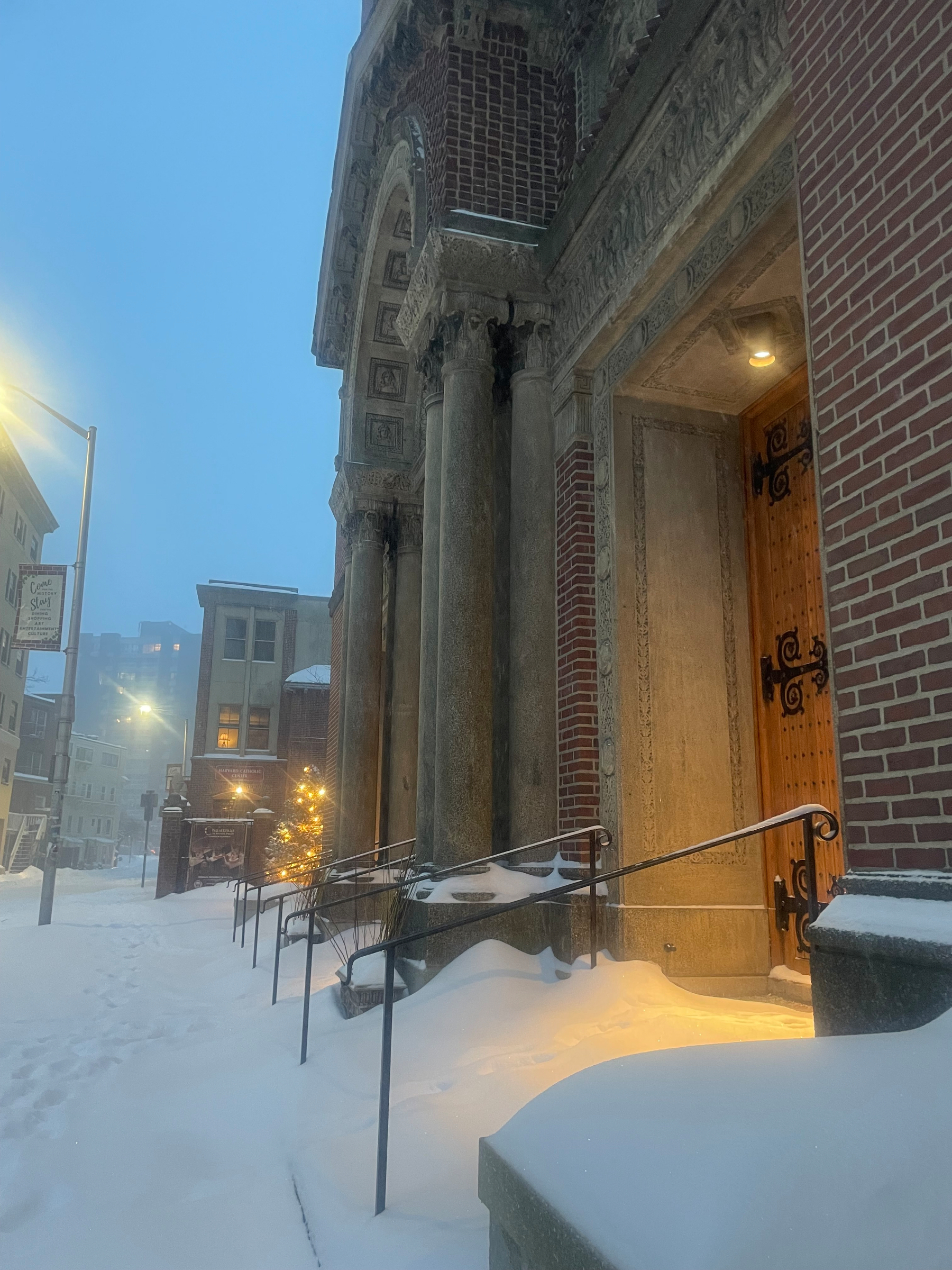
  • A great salve to trudge through the tundra yesterday for the 5 pm mass.

    In a blizzard, the entrance of a church welcomes with its warm light.

    → 12:17 PM, Jan 26
  • The soup kitchen at my church has an ongoing Amazon wishlist of clothing items for guests. Deep winter is a good time to re-up it, if you’re looking to help.

    → 6:33 AM, Jan 26
  • It’s so good to see George Scialabba really read Christopher Lasch and understand his neither-right-nor-left critique of modernity. Lasch “insisted on the fact of human scale.”

    → 7:14 AM, Jan 25
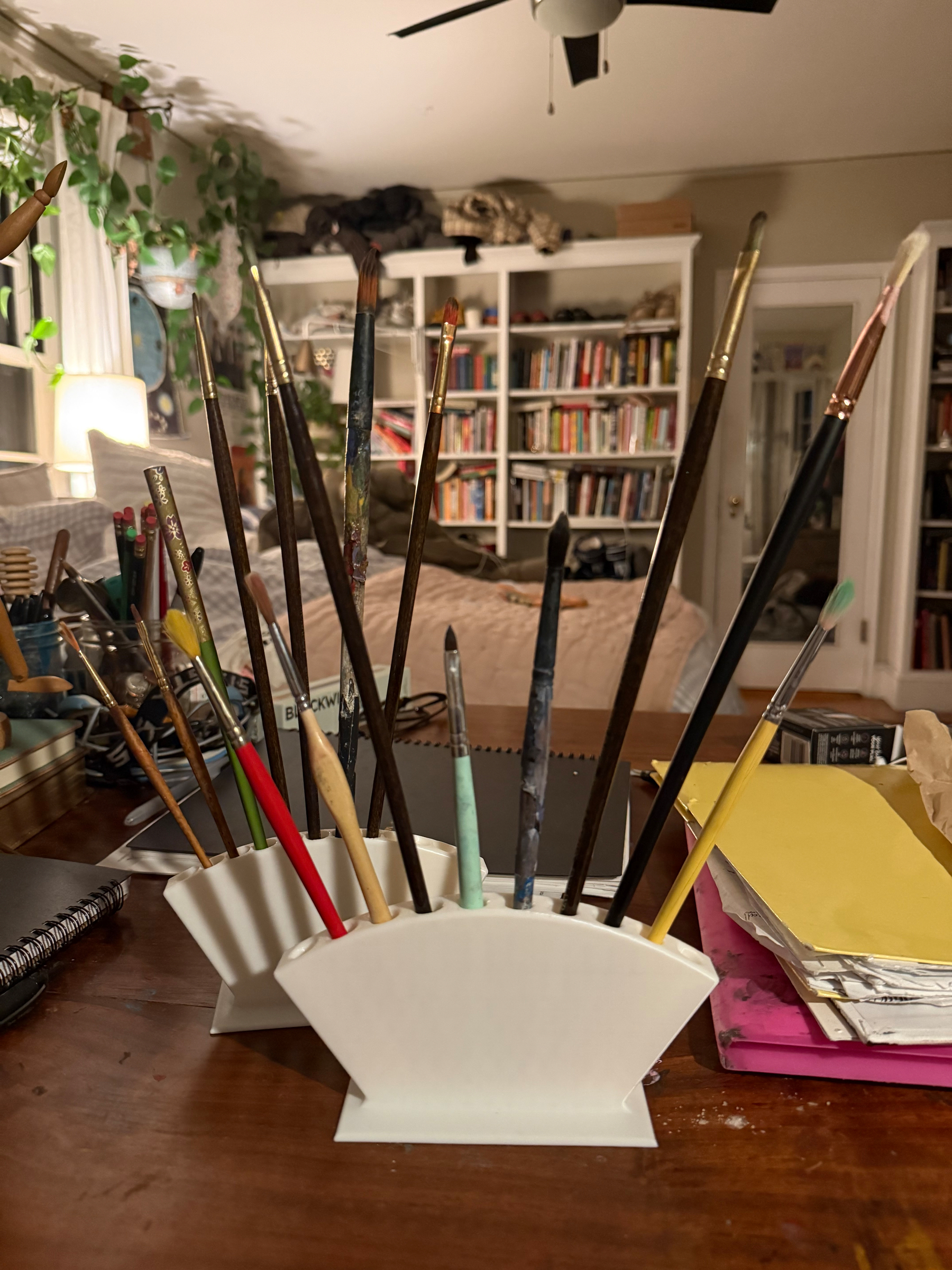
  • Our daughter’s boyfriend 3D printed her a paintbrush holder. Romance!

    On our daughter's desk, two white plastic paintbrush holders sit with arrayed brushes, like fingers of a hand, standing neatly inside.

    → 5:20 AM, Jan 21
  • On prevention design.

    → 2:53 PM, Jan 20
  • → 1:33 PM, Jan 20
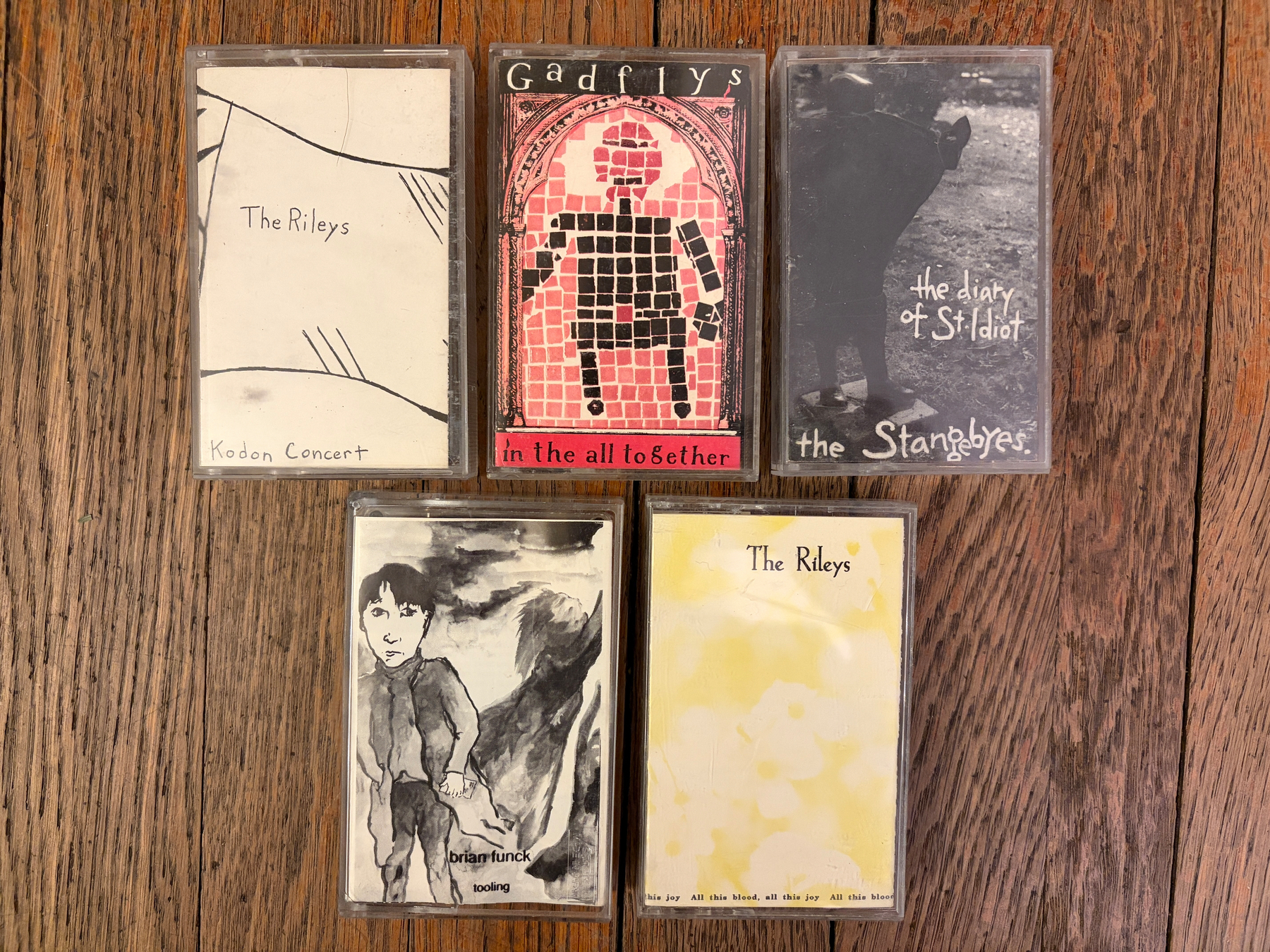
  • One day I really will write about how going to Wheaton College — where dancing and drinking and sex and drugs were verboten — was an absolute riot of creativity among my friends. We just unearthed these tapes, just some of the many bands and solo acts who wrote and recorded original music.

    → 11:28 AM, Jan 19
  • “In such situations, I have to learn the meaning of simply standing by.” On an ethics of life and accompaniment at a Vienna hospital, in Plough. Thanks to @isaacgreene for the link.

    → 11:20 AM, Jan 19
  • Our little public domain symbol goes official in Massachusetts. Surprises from that project abound.

    → 5:02 PM, Jan 15
  • Is it…wholly accidental that my students struggle to find the bookstore plugin on Canvas to see their required paper book titles?

    → 10:26 AM, Jan 15
  • Friends: if you can think of an academic journal article in any field that is both well written and (sorta) accessible outside its subfield, I’d love a rec. (I don’t need to explain why finding these can be… difficult.)

    → 1:06 PM, Jan 13
  • Notable uptick in people reading paper books on the train. My love for my fellow human creatures abounds.

    → 6:32 PM, Jan 12
  • I’m in a podcast rut and would love some suggestions. I like conversations on: intellectual history, philosophy and theology, the craft of fiction and creativity generally. And strong narrative-led documentary production on literally any subject except true crime. If it’s told well, sign me up.

    → 9:08 AM, Jan 9
  • lost causes

    Great to hear Matt Dinan further expound on his last couple of years in the classroom on Know Your Enemy (after publishing this post). Dinan’s experience echoes so much of my own, and it feels amazing to be starting 2026 with confidence and clarity about what I’m doing in the classroom, even if it’s rare in my institutional setting. And Dinan’s aside that he is hopelessly devoted to a triad of lost causes — cooperativism, the Catholic church, liberal education — made my heart swell.

    → 4:22 PM, Jan 4
  • Looking forward to George Scialabba’s forthcoming collection.

    → 3:15 PM, Jan 4
  • RSS
  • JSON Feed
  • Micro.blog